


Best Foods and Habits After Teeth Whitening
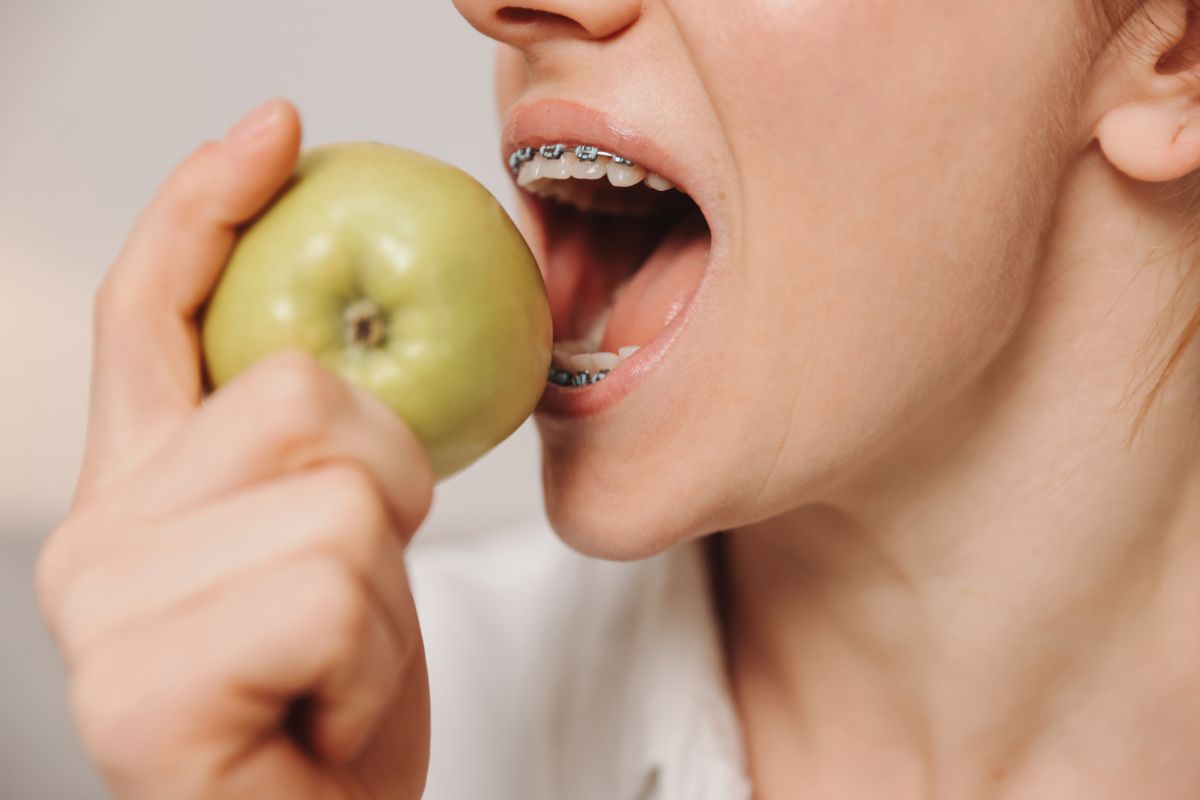
You just walked out of the dentist’s office with a brighter smile, and honestly, it feels great. However, it is now time to focus on what most people forget: keeping their teeth white. The first 48 hours after whitening are the most crucial, as your teeth are highly porous and will absorb the colour quickly during this time. What you eat, drink, and do will affect how long your results last.
It’s not about following an impossible list of do’s and don’ts; it’s making good decisions to protect your investment. Regardless of where you had your teeth treated (e.g., in the Heights or Montrose), you will follow the same aftercare instructions. So, let’s discuss what actually works to maintain your whiter smile.
What Happens To Your Teeth After Whitening?
Your enamel has tiny pores. During whitening, these pores open up to remove stains. They stay open for about 48 hours. During this window, anything with color can seep in and stain your teeth. That’s why your dentist tells you to avoid certain foods.
Think of teeth whitening in Houston, TX, like painting a fence. You wouldn’t touch it while it’s still wet, right? Same concept here.
Foods You Should Eat
White and Light-Colored Foods

Stick to foods that won’t leave color behind:
- Chicken breast (grilled or baked)
- White fish such as tilapia or cod
- Plain pasta with white sauce
- White rice
- Egg whites or scrambled eggs
- Cauliflower
- Plain yogurt
- Thick white cheeses like mozzarella
- Bananas
- Skinless turkey
Why This Works
These foods don’t stain teeth. Also, they are easy to digest and do not require much aggressive chewing, which can cause sensitivity.
Food To Avoid Completely
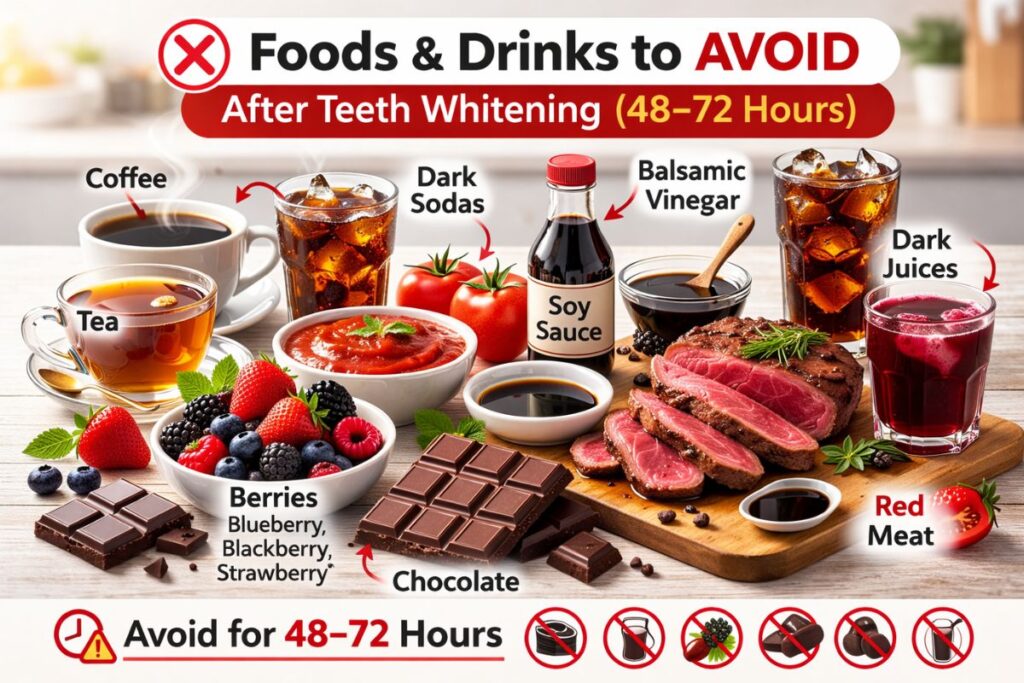
For the next 48-72 hours, avoid all dark-colored or acidic food items:
- Coffee and tea (even with milk)
- Red wine
- Dark sodas
- Tomato sauce
- Soy sauce
- Balsamic vinegar
- Berries (blueberry, blackberry, strawberry)
- Chocolate
- Red meat
- Dark-colored juices
What Comes Next?
After three days, you may gradually begin incorporating the above food items. However, if you want your tooth-whitening maintenance to continue, you must be careful about what you eat and drink over the long term.
Use a straw when drinking dark beverages. Rinse your mouth with water immediately after eating foods that may stain your teeth. Brush your teeth within 30 minutes when possible.
Drinks That Are Safe
Water is your best friend right now. Room temperature is best for drinking it, since your teeth may also be sensitive to cold.
Other Options:
- Milk (whole or low-fat)
- White wine (but sparingly, after 48 hours)
- Coconut water
- Clear broth
You should avoid all acidic drinks at this time, including orange juice and lemonade. Acid damages enamel, and since your teeth are vulnerable right now, you should do everything in your power to protect them right now!
Protect Your Results with these Daily Habits
Brushing
If you want to keep your teeth looking good, try brushing twice a day with fluoride toothpaste using a very soft-bristled toothbrush (so you don’t irritate your sensitive gums). Wait at least thirty minutes after you eat to brush (especially after eating acidic foods), as immediate brushing can damage your enamel.
Flossing
Remember to floss every day, especially at night. Leftover food will cause your teeth to become discolored (stained) due to residual sugars between your teeth.
Mouthwash
When selecting a mouthwash, always choose an alcohol-free one (alcohol can dry out your mouth). You should also look for one with fluoride to help strengthen your enamel.
Manage Sensitivity
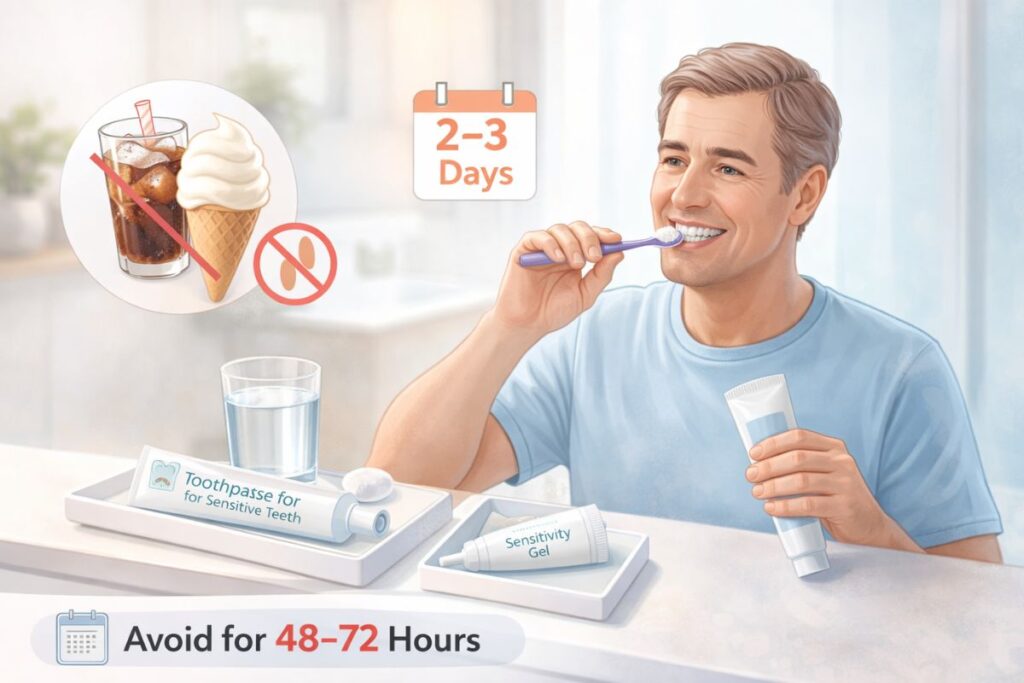
After whitening your teeth, you may experience sensitivity. This usually lasts 2 to 3 days.
Helpful tips for managing sensitivity:
- Use toothpaste that is designed for sensitive teeth
- Avoid eating or drinking ice cream or iced water
- Take over-the-counter medication for pain
- Use the sensitivity gel as directed by your dentist
If you experience sensitivity for more than seven days, you should call your dentist.
Local Houston Considerations
Houston’s high humidity leads many people to drink a lot of coffee. Even though Houston’s drinking water is fluoridated, which helps protect your teeth’s enamel, you should be extra careful about staining your teeth if you drink many cups of coffee daily.
If you often frequent Vietnamese iced coffee stands or go to a local café on Westheimer, try switching to a lighter option for a few days to let your teeth recover from the dark coffee stains. You will be amazed at the difference that one change can make.
When to Call Your Dentist
If you have any of the following symptoms after professional teeth whitening in Houston, get in touch with your dentist:
- Severe pain that does not go away
- Sensitivity that lasts longer than two weeks
- Not having evenly whitened teeth
- Gums that are irritated or bleeding
- Newly developed white spots on your teeth
These symptoms may indicate a complication that warrants evaluation.
Ready to Keep Your Smile Bright?
If you would like professional teeth whitening in Houston, TX, or need help maintaining your results, our team at Houston Heights Dentistry provides personalized care tailored to your needs. Our dentists understand what you experience as a Houston resident, including the risk of coffee stains and sensitivity in a humid climate. To schedule your appointment, contact us today so we can help you maintain the bright smile you have worked so hard for.
Common Questions People Ask
How long after teeth whitening can I drink coffee?
Wait at least 48-72 hours before drinking coffee. When you do resume, use a straw and rinse your mouth with water immediately after.
Can I eat chocolate after teeth whitening?
Avoid chocolate for the first 2-3 days. Both dark and milk chocolate can stain teeth during the vulnerable post-whitening period.
Is it normal for teeth to hurt after whitening?
Yes, mild to moderate sensitivity is normal and usually resolves within a few days. Use sensitive toothpaste and avoid extreme temperatures.
How often should I get touch-up whitening treatments?
Most people benefit from touch-ups every 6-12 months, depending on diet and habits. Your dentist can recommend a schedule based on your needs.
Related Articles
New Patients & Emergency Appointments Welcome
Hear From Our Happy Patients

Dr. Kadam is the ultimate expert you want to see for all your dental needs. She took the time to understand my concerns and address my needs in one quick visit. Great bedside manner and unlike other dental offices I've visited, she didn't push any treatment I didn't need. The staff took time to explain billing and discuss my options before any treatment plan was finalized. The facility is modern, clean and provides for a welcoming environment. Highly recommended!
Payal B.

Dr. Pranita Kadam is the very first dentist I ever went to - that was over 13 years ago and I have never had a reason to change! She is a pro at what she does, has the most pleasant and consistent chairside manner, and sincerely prioritizes patient well-being over all other considerations. She is forward-thinking and her dental practice is cutting-edge!
Adriraj C.
I have known Dr. Pranita for a long time , she cares for her patients very genuinely and makes you feel very comfortable . She is highly experienced and I was very happy with the way she explained about my wisdom tooth issues and addressed my condition . I am so excited that she is in this great new location which is much closer , I would highly recommend others to her practice any day !
Kala R.
This was my initial visit to Dr Patel’s office. The front desk got me in very quickly which was good since I had cracked a filling. This was, by far, the most thorough exam that I have ever had. The hygienist was very friendly, accommodating and proficient. Dr. Patel was very kind and thorough and answered all of my questions. I felt extremely comfortable in this office and got top notch care. A great experience.
Susan K.
I have a difficult mouth and a difficult schedule. Dr. Patel is professional, kind and accomodating. She has a high level of skill that has me in a much improved state of dental health than when I started. Both my pain and appearance are greatly improved.
Greg
I loved my initial visit and my follow up was even better :) Being in the office is like being at the spa! I am nervous about the dentist and Dr Patel and her staff have helped me with this. I have refered my co-workers and friends already.
Antoinette M.
I received a deep cleaning from Miss Melinda and was treated to the best service around. She was very educational and helped me understand everything she was doing all the way down to describing each tool she was using. 1 day later and my mouth is feeling solid. Christopher Sanchez
Chris S.
The dental exam was the most thorough I have ever experienced. After suffering from pain on the left side of my face for over one year, Dr Patel was able to determine the cause and worked quickly to create a splint which immediately helped to decrease the pain. Her staff is courteous and professional. I have already recommended her to my friends.
Maria B.
Love Dr. Patel and her staff! I was being treated a few years ago by another dentist and they kept telling me I had nothing wrong. Dr. Patel found a potentially dangerous abscess and took care of it. She also called me several times over the weekend to check on me! That tells me she cares about her patients.
Sabrina S.
If you are looking for high quality, up-to-date dental care then come see Dr. Neela Patel.
Dr. Patel takes the time to explain your dental needs in a way that is easy to understand and in turn helps you to make the most educated decisions about your dental care. Her office is warm and welcoming, she is smart and her staff is patient-centered. I highly recommend her practice.
Phil W.


