


Teeth Cleaning Stain Removal in Houston, TX
Many Spring Valley patients leave a cleaning and wonder why their smile still looks yellow. Understanding what your teeth cleaning can—and can’t—remove in Spring Valley helps set realistic expectations. A professional cleaning is a powerful preventive tool. But it has limits, and knowing those limits helps you plan your next steps.
At Houston Heights Dentistry, Dr. Pranita Kadam helps patients understand exactly what happens during a cleaning. This article breaks down the difference between surface stains and deeper discoloration. You will learn when a cleaning is enough and when professional whitening makes more sense.
What a Professional Teeth Cleaning Actually Does
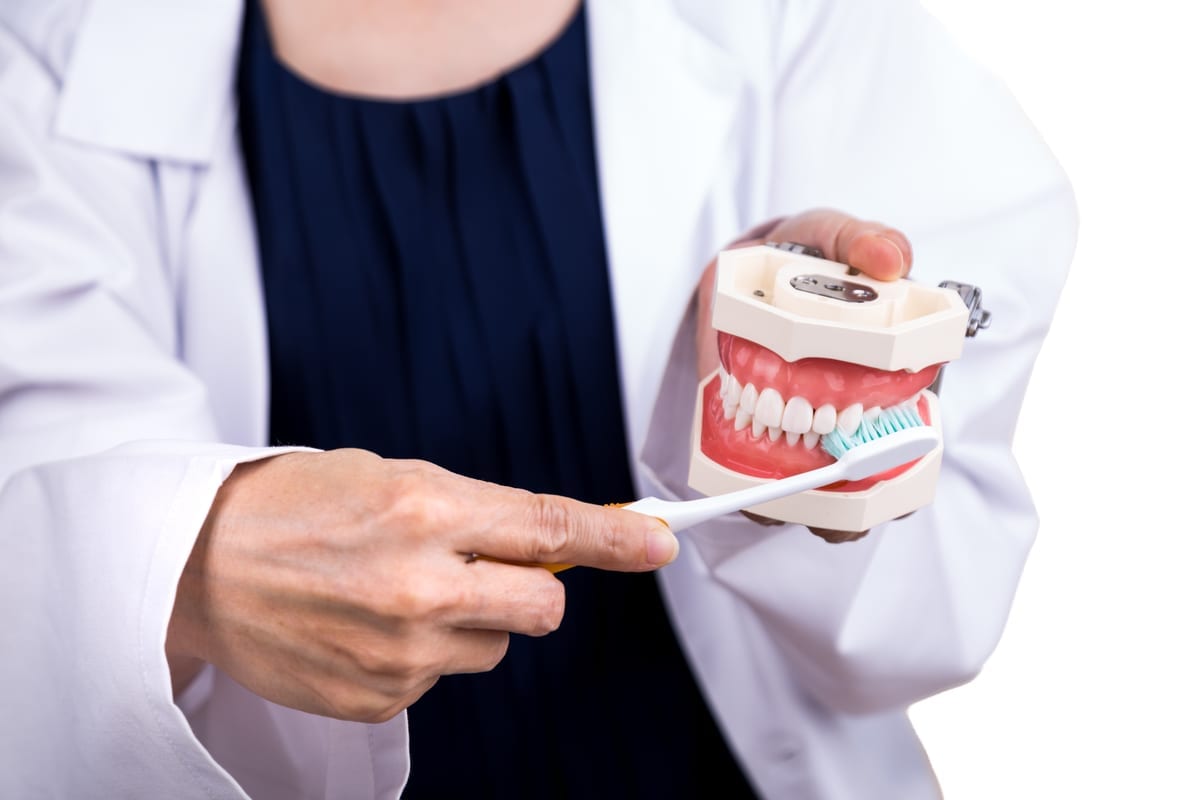
A professional cleaning removes two main things: plaque and tartar. Plaque is the soft, sticky film that bacteria form on your teeth daily. Tartar is hardened plaque that brushing at home cannot remove. A hygienist uses special tools to scrape both away safely.
Cleaning also removes some surface stains in the process. When your hygienist polishes your teeth at the end of the visit, that step buffs away light discoloration. The gritty paste used during polishing acts like a gentle exfoliant for your enamel surface. It lifts away everyday buildup that dulls your smile over time.
- Removes plaque and bacteria from all tooth surfaces
- Eliminates tartar that regular brushing cannot touch
- Polishes away light surface stains from food and drink
- Helps reduce gum inflammation caused by buildup
- Gives your dentist a clear view of your enamel health
This process protects your gums and prevents cavities. It also refreshes the look of your teeth noticeably. However, it only affects the outermost layer of your teeth. Anything deeper requires a different approach entirely.
Which Stains a Cleaning Can Remove in Spring Valley
Surface stains, also called extrinsic stains, sit on the outer enamel layer. These are the stains most responsive to a professional cleaning. They come from what you eat, drink, and whether you smoke. A cleaning can meaningfully reduce or remove many of these stains.
Common sources of extrinsic stains include coffee, tea, and red wine. Dark sodas, berries, and tomato-based sauces also contribute. Tobacco use creates especially stubborn surface staining over time. Regular cleanings every six months help prevent these stains from building up and setting deeply.
- Coffee and tea stains on front teeth
- Light yellowing from everyday food and drinks
- Early tobacco staining on enamel surfaces
- Dull, filmy buildup from skipped brushing sessions
- Plaque-related discoloration near the gumline
If you only have mild surface staining, a cleaning may leave you very satisfied with your results. Many Spring Valley patients are pleasantly surprised by how bright their teeth look post-cleaning. The polishing step alone makes a visible difference for light discoloration. Consistent six-month visits help maintain that brightness between appointments.
What a Cleaning Cannot Remove — and Why
Some discoloration lives inside the tooth structure itself. These are called intrinsic stains, and no amount of polishing will touch them. Intrinsic stains develop from within the dentin layer beneath your enamel. Cleaning tools only work on the outermost surface.
Intrinsic stains have several common causes. Certain antibiotics, especially tetracycline taken during childhood, can permanently gray or brown teeth. Excessive fluoride exposure during tooth development can cause a condition called fluorosis. Trauma, aging, and some medications also cause this deeper type of discoloration.
Old dental restorations can also create the appearance of staining. A discolored Dental Crowns or aging filling may make a tooth look dark or yellowed. In those cases, replacing the restoration addresses the color issue. Cleaning will not change the shade of a crown or composite filling.
Deep extrinsic stains that have soaked into porous enamel over many years also resist polishing. Heavy tobacco use over decades can push staining below the surface layer. These cases benefit from professional whitening rather than cleaning alone. Dr. Kadam can assess what type of staining you have during your visit.
When You Should Consider Teeth Whitening After Your Cleaning
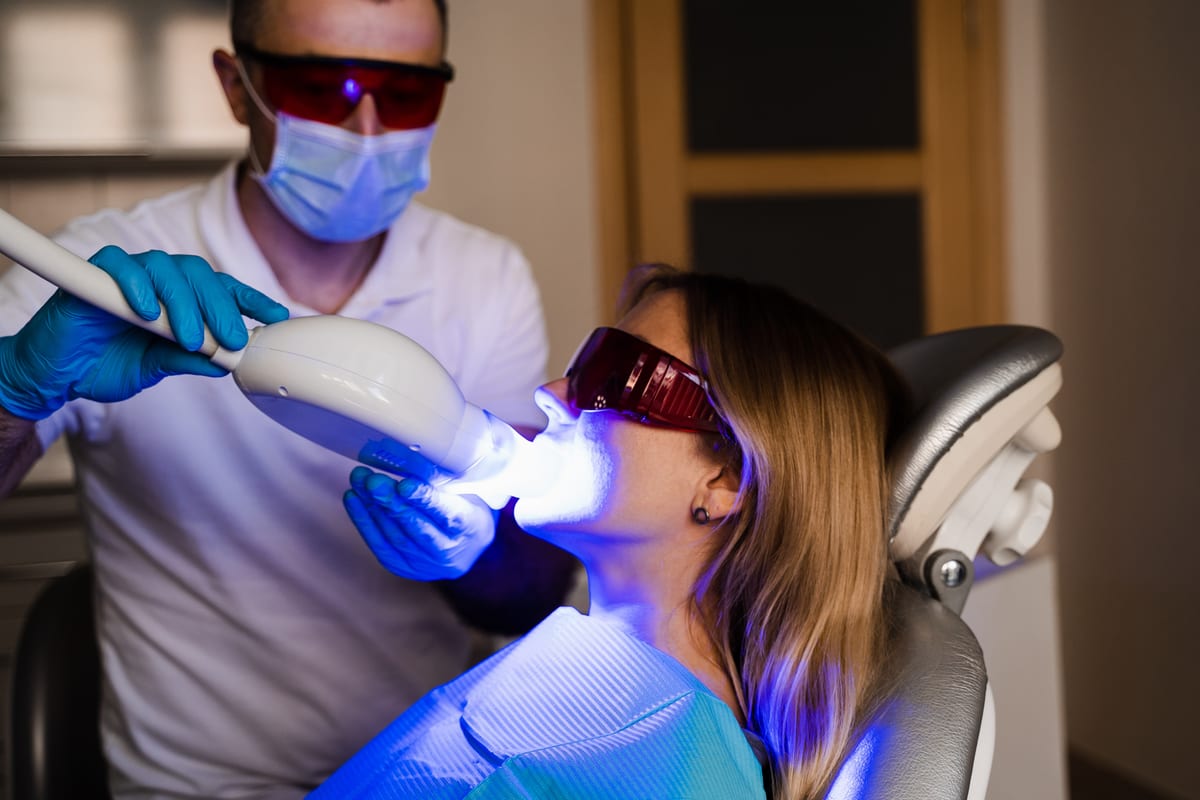
If your teeth still look yellow or discolored after a cleaning, whitening is the logical next step. Professional whitening uses a bleaching agent that penetrates the enamel. It breaks apart the molecular bonds that cause deep discoloration. This works on intrinsic staining that polishing simply cannot reach.
Whitening is most effective when done after a thorough cleaning. Clean teeth allow the whitening gel to contact enamel evenly. Tartar or plaque buildup would block the gel from working properly. That is why dentists always recommend cleaning before any whitening treatment.
Not everyone is a candidate for whitening. Crowns, veneers, and tooth-colored fillings do not respond to bleaching agents. If you have significant restorations, your dentist may recommend a smile makeover approach instead. Dr. Kadam evaluates each patient individually to recommend the most effective path forward.
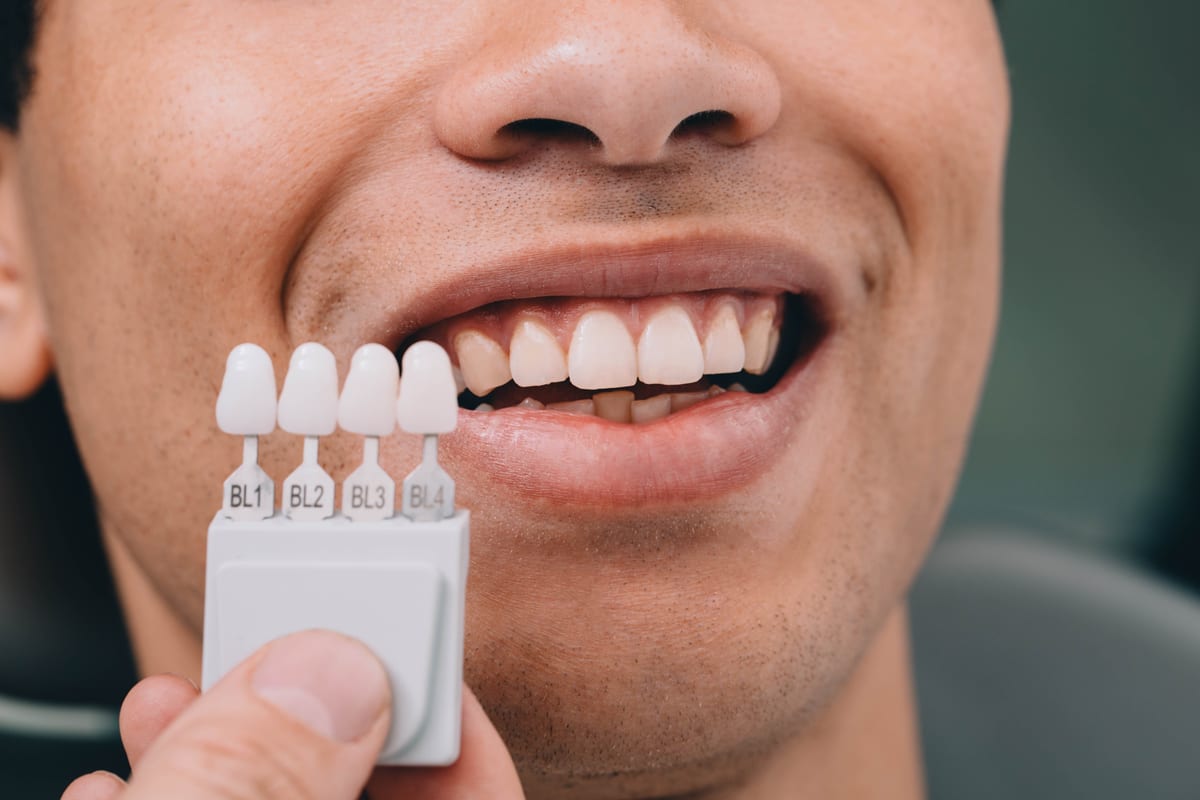
Patients who have experienced tooth loss may wonder how whitening fits into a broader plan. Procedures like Dental Implants use materials that do not change color with bleaching. That is why shade-matching your natural teeth before restorations is important. Whitening your remaining teeth first ensures a more consistent smile overall.
How to Maintain Your Results After a Cleaning
Getting the most from your cleaning means protecting results at home. Brush twice daily with a fluoride toothpaste to prevent new stain buildup. Floss once a day to remove food and bacteria between teeth. These habits preserve the polish your hygienist worked to achieve.
Limit staining beverages like coffee and tea when possible. When you do drink them, rinse your mouth with water afterward. Using a straw also reduces contact between dark liquids and your front teeth. Small habits like these make a real difference between appointments.
Return for cleanings every six months as recommended. Regular visits prevent tartar from hardening and accumulating over time. They also give Dr. Kadam a chance to catch any new concerns early. Consistent care is the best strategy for a healthy, bright smile long-term.
Frequently Asked Questions
Can a teeth cleaning remove all yellow staining from my teeth?
A cleaning removes surface-level yellow staining caused by food, drinks, and light plaque buildup. However, deeper intrinsic stains from aging, medications, or years of tobacco use require professional whitening or cosmetic treatment. Dr. Kadam can help determine which type of staining you have and what will work best.
How long does teeth polishing take, and will it hurt?
Polishing typically takes just a few minutes at the end of your cleaning appointment. Most patients find it comfortable and even pleasant. The gritty paste may feel slightly unusual, but it is not painful. Patients with sensitive teeth can ask for a gentler option.
How often should Spring Valley patients get a professional cleaning?
Most patients benefit from a professional cleaning every six months. Some patients with a history of gum disease or heavy tartar buildup may need to come in every three to four months. Dr. Kadam will recommend the right schedule based on your individual oral health needs.
Will my teeth look whiter immediately after a cleaning?
Many patients notice their teeth look brighter right after a cleaning. The polishing step removes surface film and light stains that dull enamel. However, if you have deeper discoloration, a cleaning alone may not produce dramatic whitening results. A professional whitening treatment can be added for more noticeable improvement.
What is the difference between a cleaning and a whitening treatment?
A cleaning focuses on removing plaque, tartar, and surface stains to protect your oral health. Whitening is a cosmetic procedure that uses a bleaching gel to lighten the actual color of your enamel. Both serve different purposes and work best when combined. Your dentist can help you decide if one or both are right for your goals.
Understanding what your teeth cleaning can—and can’t—remove in Spring Valley empowers you to make smarter choices about your smile. Dr. Pranita Kadam and the team at Houston Heights Dentistry are here to guide you every step of the way. Book Now to schedule your appointment with our team.
New Patients & Emergency Appointments Welcome
Hear From Our Happy Patients

Dr. Kadam is the ultimate expert you want to see for all your dental needs. She took the time to understand my concerns and address my needs in one quick visit. Great bedside manner and unlike other dental offices I've visited, she didn't push any treatment I didn't need. The staff took time to explain billing and discuss my options before any treatment plan was finalized. The facility is modern, clean and provides for a welcoming environment. Highly recommended!
Payal B.

Dr. Pranita Kadam is the very first dentist I ever went to - that was over 13 years ago and I have never had a reason to change! She is a pro at what she does, has the most pleasant and consistent chairside manner, and sincerely prioritizes patient well-being over all other considerations. She is forward-thinking and her dental practice is cutting-edge!
Adriraj C.
I have known Dr. Pranita for a long time , she cares for her patients very genuinely and makes you feel very comfortable . She is highly experienced and I was very happy with the way she explained about my wisdom tooth issues and addressed my condition . I am so excited that she is in this great new location which is much closer , I would highly recommend others to her practice any day !
Kala R.
This was my initial visit to Dr Patel’s office. The front desk got me in very quickly which was good since I had cracked a filling. This was, by far, the most thorough exam that I have ever had. The hygienist was very friendly, accommodating and proficient. Dr. Patel was very kind and thorough and answered all of my questions. I felt extremely comfortable in this office and got top notch care. A great experience.
Susan K.
I have a difficult mouth and a difficult schedule. Dr. Patel is professional, kind and accomodating. She has a high level of skill that has me in a much improved state of dental health than when I started. Both my pain and appearance are greatly improved.
Greg
I loved my initial visit and my follow up was even better :) Being in the office is like being at the spa! I am nervous about the dentist and Dr Patel and her staff have helped me with this. I have refered my co-workers and friends already.
Antoinette M.
I received a deep cleaning from Miss Melinda and was treated to the best service around. She was very educational and helped me understand everything she was doing all the way down to describing each tool she was using. 1 day later and my mouth is feeling solid. Christopher Sanchez
Chris S.
The dental exam was the most thorough I have ever experienced. After suffering from pain on the left side of my face for over one year, Dr Patel was able to determine the cause and worked quickly to create a splint which immediately helped to decrease the pain. Her staff is courteous and professional. I have already recommended her to my friends.
Maria B.
Love Dr. Patel and her staff! I was being treated a few years ago by another dentist and they kept telling me I had nothing wrong. Dr. Patel found a potentially dangerous abscess and took care of it. She also called me several times over the weekend to check on me! That tells me she cares about her patients.
Sabrina S.
If you are looking for high quality, up-to-date dental care then come see Dr. Neela Patel.
Dr. Patel takes the time to explain your dental needs in a way that is easy to understand and in turn helps you to make the most educated decisions about your dental care. Her office is warm and welcoming, she is smart and her staff is patient-centered. I highly recommend her practice.
Phil W.


