


Are You Actually a Good Candidate for Veneers? Take This Quiz
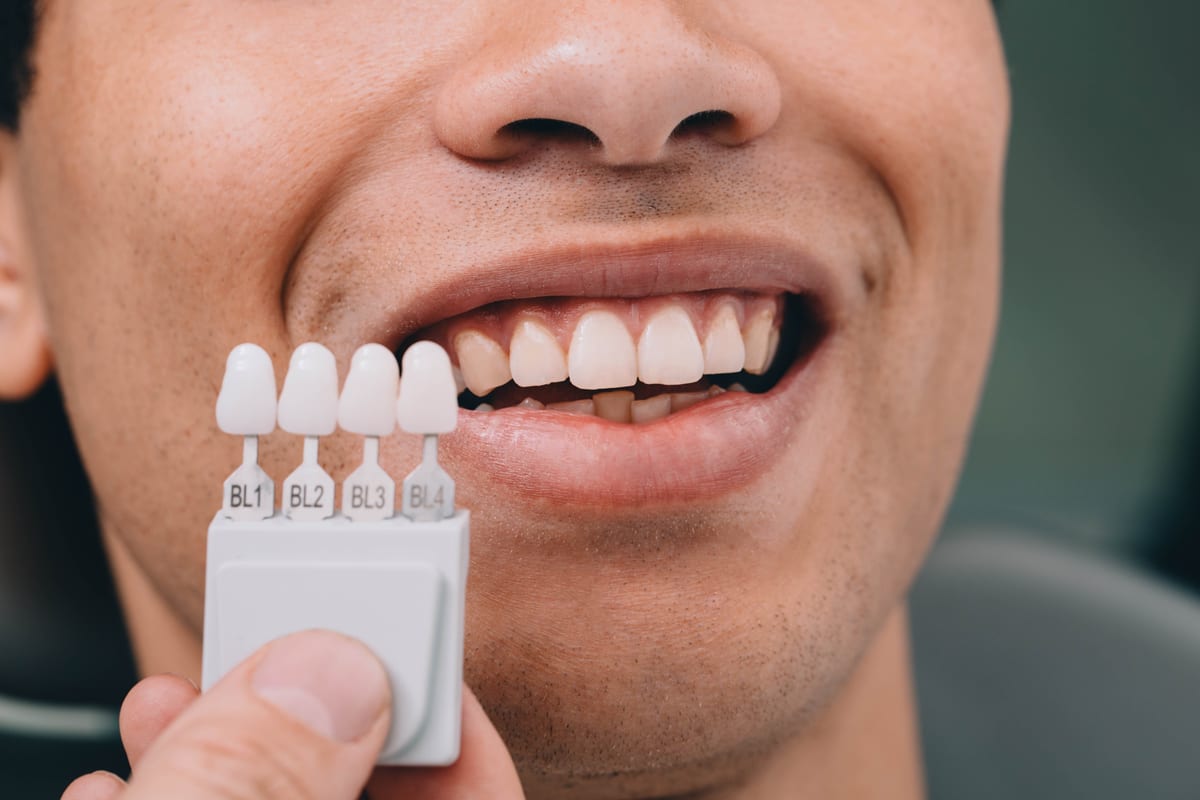
Thinking about veneers but not sure if they’re right for you? Many Houston patients ask the same question. Are you actually a good candidate for veneers — take this quiz Houston-style to find out before your first appointment. Dr. Pranita Kadam at Houston Heights Dentistry helps patients screen themselves with honest, straightforward information. This article walks you through the key factors so you can walk in prepared.
What Veneers Actually Do — And Who They’re Designed For
Veneers are thin porcelain shells bonded to the front of your teeth. They correct chips, cracks, stains, gaps, and mild misalignment. They do not fix every dental problem, though. Understanding their purpose helps you know whether you’re a strong candidate.
Veneers are a cosmetic solution, not a structural repair. They work best when your underlying teeth are healthy and mostly intact. If significant damage or decay is present, other treatments like Dental Crowns Houston may be more appropriate first.
Veneers also require a thin layer of enamel to be removed. This process is permanent. That means commitment matters — veneers are a long-term decision, not a temporary one.
The Candidacy Quiz: Are You Actually a Good Candidate for Veneers in Houston?
Work through each question below honestly. This self-screening tool helps you gauge your readiness before a professional evaluation.
Tooth Structure Questions:
- Do you have enough enamel for bonding? Thin or heavily eroded enamel may not hold veneers well.
- Are your teeth free from large fillings? Teeth with extensive restorations may need crowns instead.
- Are the teeth you want treated mostly intact? Severely broken-down teeth are poor veneer candidates.
- Is decay absent or fully treated? Active cavities must be resolved before veneers are placed.
Gum Health Questions:
- Are your gums pink, firm, and free from bleeding? Gum disease disqualifies you until it is treated.
- Have you had a recent professional cleaning? Healthy gums are essential for lasting veneer results.
- Do your gums sit at a stable, even level? Receding or uneven gums affect veneer placement and aesthetics.
Bite and Alignment Questions:
- Is your bite balanced and not overly deep? A severe overbite can crack or dislodge veneers over time.
- Do you experience jaw pain or clicking? TMJ issues may need attention before cosmetic work begins.
- Is your tooth contact fairly even when you chew? Uneven bite force puts stress on veneer edges.
Habits That Can Make or Break Your Veneer Results
Your daily habits matter just as much as your dental anatomy. Certain behaviors put veneers at serious risk. Knowing these upfront helps you make an honest assessment.
Habits that may disqualify or delay veneer placement:
- Teeth grinding or clenching (bruxism) — this wears down and chips veneers faster than normal use.
- Nail biting or chewing on ice — these habits apply unexpected force to porcelain surfaces.
- Smoking or heavy tobacco use — staining and gum disease risk increase significantly.
- Frequent consumption of highly acidic foods — these weaken enamel and affect bonding over time.
Bruxism is especially important to address. Dr. Kadam often recommends a night guard to protect veneers in grinding patients. Managing bruxism before or alongside veneer placement greatly extends their lifespan.
If you grind your teeth, it does not automatically disqualify you. It does mean you need a clear management plan first. Honest conversations with your dentist lead to better outcomes.
When Veneers Might Not Be Your Best First Step
Sometimes patients come in wanting veneers but need a different treatment path first. This is not a setback — it is smart, sequenced care. Dr. Kadam takes time to explain all options clearly.
Active gum disease always needs treatment before cosmetic procedures. Placing veneers over unhealthy gums leads to early failure and ongoing problems. A thorough teeth cleaning and periodontal evaluation come first in those cases.
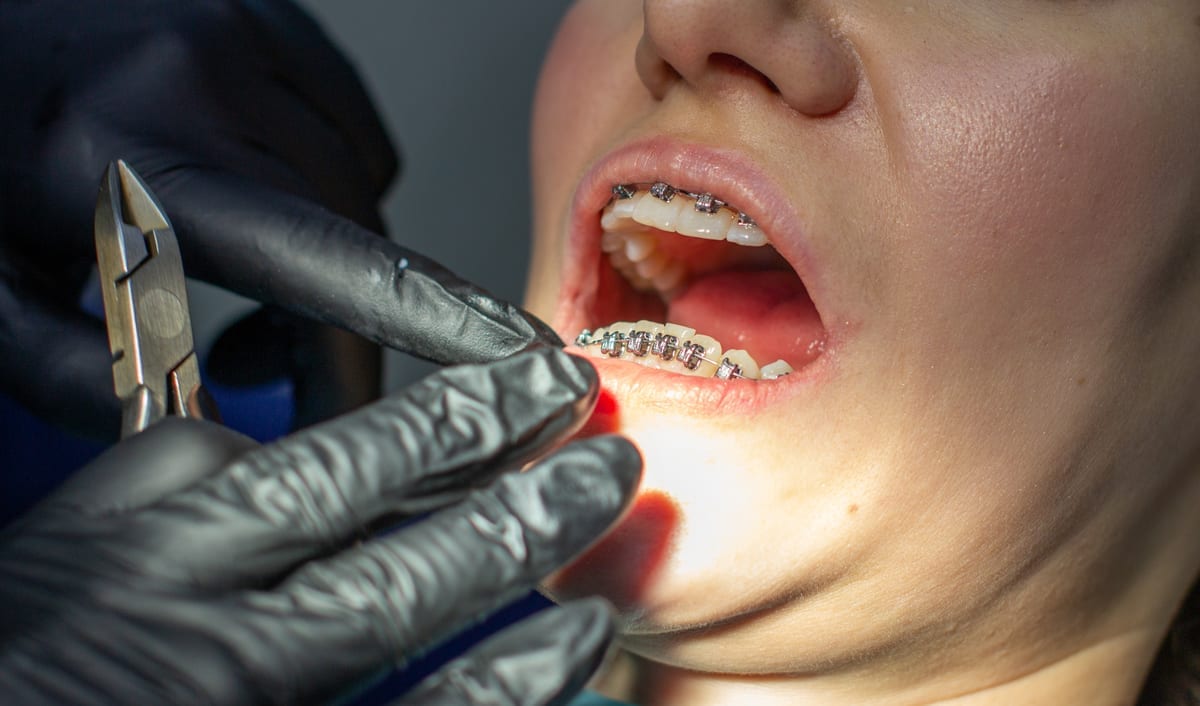
Severely misaligned teeth may benefit from orthodontic treatment first. Clear aligners or Invisalign can reposition teeth before veneers are placed. This creates a better foundation for a truly stunning result.
Missing teeth change your bite dynamics over time. Replacing them with options like Dental Implants Houston before adding veneers helps preserve your smile’s long-term stability. Your overall oral health picture shapes the smartest cosmetic plan.
What to Expect at Your Veneer Consultation in Houston
If your quiz answers look mostly positive, a formal consultation is your natural next step. Dr. Kadam at Houston Heights Dentistry conducts a thorough evaluation before any treatment is recommended. This ensures every plan is built around your unique needs.
Your consultation will typically include:
- A full oral health exam to assess teeth, gums, and bite.
- Digital X-rays to evaluate bone and root health beneath the surface.
- A discussion of your smile goals and what concerns you most.
- A review of your candidacy based on structure, health, and habits.
- A customized treatment plan with clear next steps.
This process is educational, not pressured. You leave understanding exactly where you stand and what your options are. That clarity helps you make confident decisions about your smile.
Ready to Find Out If You’re a Veneer Candidate in Houston?
The quiz above gives you a strong starting point. But only a trained dental professional can give you a definitive answer. Dr. Pranita Kadam brings both expertise and a warm, patient-centered approach to every consultation at Houston Heights Dentistry.
Whether you pass every quiz question or have a few concerns to address, there is a path forward. Houston Heights Dentistry is here to help you understand it clearly. Book Now to schedule your appointment with our team.
Frequently Asked Questions
Can I get veneers if I grind my teeth at night?
Yes, but bruxism must be managed first or alongside veneer placement. Dr. Kadam often recommends a custom night guard to protect your new veneers. Unmanaged grinding significantly shortens the lifespan of porcelain restorations.
How much enamel do I need for veneers to work?
You need a sufficient layer of healthy enamel for proper bonding. Patients with heavily eroded or very thin enamel may not be ideal candidates. Dr. Kadam evaluates enamel health during your consultation to determine the best approach.
Do I need to treat gum disease before getting veneers?
Absolutely. Active gum disease must be fully treated before any cosmetic dental work begins. Placing veneers over unhealthy gums leads to poor results and faster failure. A professional cleaning and periodontal evaluation come first.
What if my teeth are too misaligned for veneers alone?
Mild misalignment can often be masked with veneers. More significant alignment issues may benefit from Invisalign or clear aligners first. Dr. Kadam will recommend the right sequence for your specific case.
How long do veneers typically last?
Porcelain veneers generally last 10 to 15 years with proper care. Good oral hygiene, routine cleanings, and avoiding damaging habits all extend their lifespan. Your Houston Heights Dentistry team will walk you through maintenance best practices at your visit.

New Patients & Emergency Appointments Welcome
Hear From Our Happy Patients

Dr. Kadam is the ultimate expert you want to see for all your dental needs. She took the time to understand my concerns and address my needs in one quick visit. Great bedside manner and unlike other dental offices I've visited, she didn't push any treatment I didn't need. The staff took time to explain billing and discuss my options before any treatment plan was finalized. The facility is modern, clean and provides for a welcoming environment. Highly recommended!
Payal B.

Dr. Pranita Kadam is the very first dentist I ever went to - that was over 13 years ago and I have never had a reason to change! She is a pro at what she does, has the most pleasant and consistent chairside manner, and sincerely prioritizes patient well-being over all other considerations. She is forward-thinking and her dental practice is cutting-edge!
Adriraj C.
I have known Dr. Pranita for a long time , she cares for her patients very genuinely and makes you feel very comfortable . She is highly experienced and I was very happy with the way she explained about my wisdom tooth issues and addressed my condition . I am so excited that she is in this great new location which is much closer , I would highly recommend others to her practice any day !
Kala R.
This was my initial visit to Dr Patel’s office. The front desk got me in very quickly which was good since I had cracked a filling. This was, by far, the most thorough exam that I have ever had. The hygienist was very friendly, accommodating and proficient. Dr. Patel was very kind and thorough and answered all of my questions. I felt extremely comfortable in this office and got top notch care. A great experience.
Susan K.
I have a difficult mouth and a difficult schedule. Dr. Patel is professional, kind and accomodating. She has a high level of skill that has me in a much improved state of dental health than when I started. Both my pain and appearance are greatly improved.
Greg
I loved my initial visit and my follow up was even better :) Being in the office is like being at the spa! I am nervous about the dentist and Dr Patel and her staff have helped me with this. I have refered my co-workers and friends already.
Antoinette M.
I received a deep cleaning from Miss Melinda and was treated to the best service around. She was very educational and helped me understand everything she was doing all the way down to describing each tool she was using. 1 day later and my mouth is feeling solid. Christopher Sanchez
Chris S.
The dental exam was the most thorough I have ever experienced. After suffering from pain on the left side of my face for over one year, Dr Patel was able to determine the cause and worked quickly to create a splint which immediately helped to decrease the pain. Her staff is courteous and professional. I have already recommended her to my friends.
Maria B.
Love Dr. Patel and her staff! I was being treated a few years ago by another dentist and they kept telling me I had nothing wrong. Dr. Patel found a potentially dangerous abscess and took care of it. She also called me several times over the weekend to check on me! That tells me she cares about her patients.
Sabrina S.
If you are looking for high quality, up-to-date dental care then come see Dr. Neela Patel.
Dr. Patel takes the time to explain your dental needs in a way that is easy to understand and in turn helps you to make the most educated decisions about your dental care. Her office is warm and welcoming, she is smart and her staff is patient-centered. I highly recommend her practice.
Phil W.


