


What Happens During Your Dental Crown Appointment: Step-by-Step
If you have an upcoming crown procedure, you are probably wondering what to expect. Understanding what happens during your dental crown appointment step-by-step in Hunters Creek Village can ease a lot of anxiety. At Houston Heights Dentistry, Dr. Pranita Kadam walks every patient through the process before treatment begins. Knowing each phase in advance helps you feel calm and confident in the dental chair.
Dental crowns are one of the most common restorative procedures in general dentistry. They protect damaged, weakened, or heavily filled teeth from further harm. The procedure typically requires two appointments spaced a couple of weeks apart. Here is exactly what you can expect at each stage.
Step One: Your Exam and Treatment Planning in Hunters Creek Village
Before any crown work begins, Dr. Kadam performs a thorough examination. She reviews X-rays to assess the tooth structure and surrounding bone. This step confirms that a crown is the right solution for your specific situation.
She will also discuss your options with you in plain language. You will learn what type of crown material suits your tooth best. Common options include porcelain, zirconia, and porcelain-fused-to-metal crowns. Each has different strengths depending on the tooth location and your bite.
During this visit, Dr. Kadam also checks for any underlying issues. If decay is present, it must be removed before the crown is placed. Treating the tooth fully ensures the crown sits on a stable, healthy foundation.
Step Two: Numbing and Tooth Preparation
On the day of your first crown appointment, comfort is the top priority. Dr. Kadam applies a topical numbing gel to your gum tissue first. This minimizes any sensation from the local anesthetic injection that follows.
Once the area is fully numb, she begins reshaping the tooth. She carefully removes a thin layer of enamel from all sides. This creates space for the crown to sit flush with your surrounding teeth. Most patients feel only mild pressure during this process — not sharp pain.
Here is what the preparation phase typically involves:
- Application of topical anesthetic to gum tissue
- Local anesthetic injection to numb the tooth and surrounding area
- Removal of any existing decay or damaged material
- Reshaping the tooth into a tapered form to accept the crown
- Smoothing rough edges for an accurate impression
The preparation step usually takes between 30 and 60 minutes. The exact time depends on the condition of the tooth being treated. Dr. Kadam works methodically to ensure the prep is precise.
Step Three: Taking Impressions and Placing a Temporary Crown
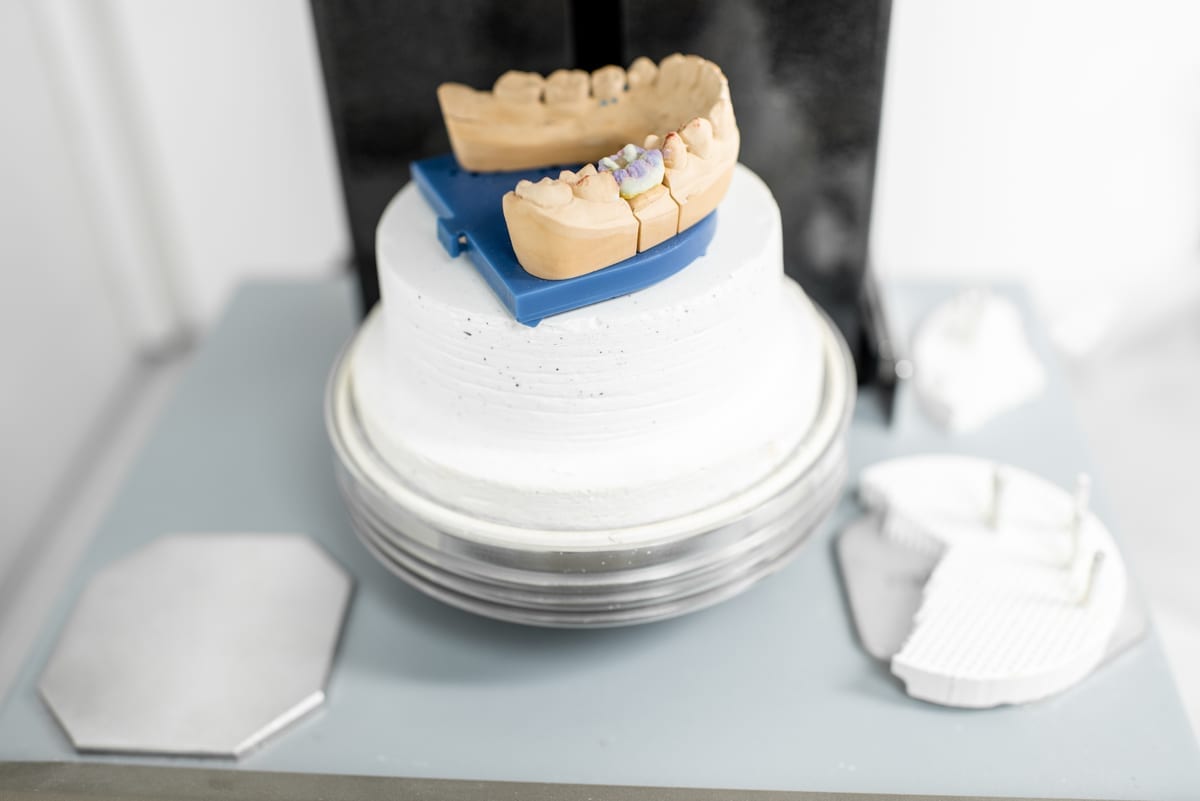
After preparation, Dr. Kadam takes an impression of the reshaped tooth. This impression captures the exact contours of your bite and surrounding teeth. It is sent to a dental lab where your permanent crown is custom fabricated.
Digital impressions are available at Houston Heights Dentistry. These use a small scanner rather than traditional putty trays. Many patients find this method faster and more comfortable.
While your permanent crown is being made, you will wear a temporary crown. This temporary protects the prepared tooth for about two weeks. It also maintains your bite alignment during the waiting period. The temporary is not as strong as the permanent crown, so some care is needed.
Tips for caring for your temporary crown include:
- Avoid sticky or chewy foods like caramel or gum
- Chew on the opposite side of your mouth when possible
- Brush gently around the temporary crown area
- Floss carefully by sliding — not snapping — the floss out
- Call the office if the temporary feels loose or falls off
Step Four: Final Crown Placement and Seating
When your permanent crown arrives from the lab, you return for the second appointment. This visit is typically shorter and more straightforward than the first. Dr. Kadam removes the temporary crown and cleans the prepared tooth thoroughly.
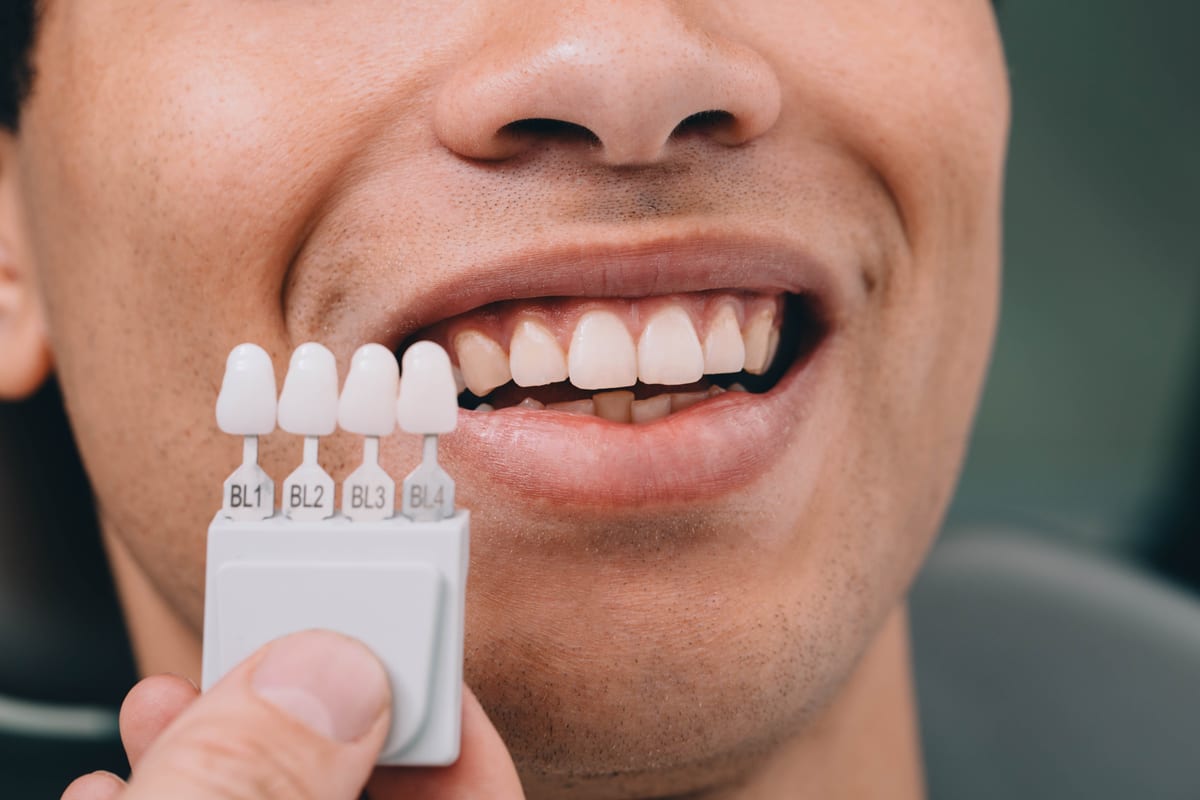
She then tries the permanent crown in your mouth before cementing it. This step checks the fit, color match, and bite alignment precisely. Small adjustments can be made chairside if anything feels off. It is important to speak up if the bite does not feel right.
Once everything looks and feels correct, the crown is permanently cemented. Dr. Kadam uses a strong dental adhesive designed for long-term stability. After the cement sets, she removes any excess material from around the edges. You leave with a fully restored, functional tooth.
A properly placed crown can last 10 to 15 years or longer with good care. Brushing, flossing, and attending regular cleanings all extend crown longevity. Dr. Kadam and her team provide personalized aftercare guidance at every visit.
How Dental Crowns Fit Into Your Overall Oral Health
Dental crowns are often part of a broader restorative treatment plan. They work alongside other treatments to protect your smile long-term. For teeth that cannot be saved with a crown alone, Dental Implants Hunters Creek Village may be the next step. Implants replace the root and crown of a missing tooth entirely.
In some cases, crowns are used as anchors for Dental Bridges Hunters Creek Village. A bridge spans the gap left by a missing tooth using two crowned adjacent teeth. Understanding how these treatments connect helps you make informed decisions about your care.
Dr. Kadam takes a whole-mouth approach to every patient’s treatment. She considers your long-term oral health — not just the single tooth in question. This perspective leads to treatment plans that serve you well for years to come.
What to Expect After Your Crown Is Placed
Some mild sensitivity after crown placement is completely normal. The gum tissue around the treated tooth may feel tender for a few days. Over-the-counter pain relievers typically manage any discomfort effectively.
You may also notice slight bite sensitivity when chewing. This usually resolves within a week as your mouth adjusts. If bite discomfort persists beyond two weeks, contact Houston Heights Dentistry promptly. A quick bite adjustment appointment can resolve this easily.
Most patients return to normal eating and drinking within 24 hours. The permanent cement reaches full strength fairly quickly after placement. Dr. Kadam will give you specific post-placement instructions tailored to your situation.
Crown care long-term is straightforward. Brush twice daily, floss once daily, and attend your regular hygiene visits. Avoid using your crowned tooth to crack nuts or open packaging. These habits keep your crown functioning well for many years ahead.
Schedule Your Crown Consultation at Houston Heights Dentistry
A dental crown appointment does not have to feel intimidating or overwhelming. Now that you know each step — from numbing to temporary placement to final seating — the process feels much more manageable. Dr. Pranita Kadam and the team at Houston Heights Dentistry serve patients throughout the Hunters Creek Village area with genuine care and expertise. Book Now to schedule your appointment with our team.
Frequently Asked Questions
How long does a dental crown appointment take in Hunters Creek Village?
The first appointment — which includes tooth preparation and impressions — typically takes 60 to 90 minutes. The second appointment for final crown placement is usually 30 to 45 minutes. Total time varies depending on the complexity of the case.
Does getting a dental crown hurt?
Most patients experience little to no pain during the procedure. Dr. Kadam uses local anesthetic to numb the area thoroughly before starting. Some mild soreness or sensitivity after the appointment is normal and fades within a few days.
How long does a dental crown last?
A well-placed dental crown can last 10 to 15 years or more. Longevity depends on the material used, your bite forces, and how well you care for it. Regular dental visits and good oral hygiene habits significantly extend crown life.
Can I eat normally while wearing a temporary crown?
You can eat, but some precautions are wise. Avoid hard, sticky, or chewy foods that could dislodge the temporary crown. Chew on the opposite side of your mouth when possible to protect the temporary restoration.
What is the difference between a crown and a dental veneer?
A crown covers the entire tooth all the way around, providing full structural support. A veneer covers only the front surface of a tooth and is primarily cosmetic. Crowns are used when a tooth is significantly damaged, weakened, or after a root canal.
New Patients & Emergency Appointments Welcome
Hear From Our Happy Patients

Dr. Kadam is the ultimate expert you want to see for all your dental needs. She took the time to understand my concerns and address my needs in one quick visit. Great bedside manner and unlike other dental offices I've visited, she didn't push any treatment I didn't need. The staff took time to explain billing and discuss my options before any treatment plan was finalized. The facility is modern, clean and provides for a welcoming environment. Highly recommended!
Payal B.

Dr. Pranita Kadam is the very first dentist I ever went to - that was over 13 years ago and I have never had a reason to change! She is a pro at what she does, has the most pleasant and consistent chairside manner, and sincerely prioritizes patient well-being over all other considerations. She is forward-thinking and her dental practice is cutting-edge!
Adriraj C.
I have known Dr. Pranita for a long time , she cares for her patients very genuinely and makes you feel very comfortable . She is highly experienced and I was very happy with the way she explained about my wisdom tooth issues and addressed my condition . I am so excited that she is in this great new location which is much closer , I would highly recommend others to her practice any day !
Kala R.
This was my initial visit to Dr Patel’s office. The front desk got me in very quickly which was good since I had cracked a filling. This was, by far, the most thorough exam that I have ever had. The hygienist was very friendly, accommodating and proficient. Dr. Patel was very kind and thorough and answered all of my questions. I felt extremely comfortable in this office and got top notch care. A great experience.
Susan K.
I have a difficult mouth and a difficult schedule. Dr. Patel is professional, kind and accomodating. She has a high level of skill that has me in a much improved state of dental health than when I started. Both my pain and appearance are greatly improved.
Greg
I loved my initial visit and my follow up was even better :) Being in the office is like being at the spa! I am nervous about the dentist and Dr Patel and her staff have helped me with this. I have refered my co-workers and friends already.
Antoinette M.
I received a deep cleaning from Miss Melinda and was treated to the best service around. She was very educational and helped me understand everything she was doing all the way down to describing each tool she was using. 1 day later and my mouth is feeling solid. Christopher Sanchez
Chris S.
The dental exam was the most thorough I have ever experienced. After suffering from pain on the left side of my face for over one year, Dr Patel was able to determine the cause and worked quickly to create a splint which immediately helped to decrease the pain. Her staff is courteous and professional. I have already recommended her to my friends.
Maria B.
Love Dr. Patel and her staff! I was being treated a few years ago by another dentist and they kept telling me I had nothing wrong. Dr. Patel found a potentially dangerous abscess and took care of it. She also called me several times over the weekend to check on me! That tells me she cares about her patients.
Sabrina S.
If you are looking for high quality, up-to-date dental care then come see Dr. Neela Patel.
Dr. Patel takes the time to explain your dental needs in a way that is easy to understand and in turn helps you to make the most educated decisions about your dental care. Her office is warm and welcoming, she is smart and her staff is patient-centered. I highly recommend her practice.
Phil W.


