


Dental Implant Procedure: A Step-by-Step Guide for Houston Residents
Dental implants are becoming increasingly popular and successful at replacing missing teeth. Losing a tooth due to injury or decay can have severe consequences for both aesthetics and function. However, with implants, this problem can be effectively addressed, ensuring your smile remains as bright as ever and your life returns to normal.
The dental implant process is complex, with several steps involved in achieving the end result of functional teeth. Every step of this process is carefully planned to ensure your new teeth are firmly in place to provide you with a pleasing smile. In this blog, you will learn all the steps of this treatment and what to expect during your tooth restoration journey.
What Are Dental Implants?
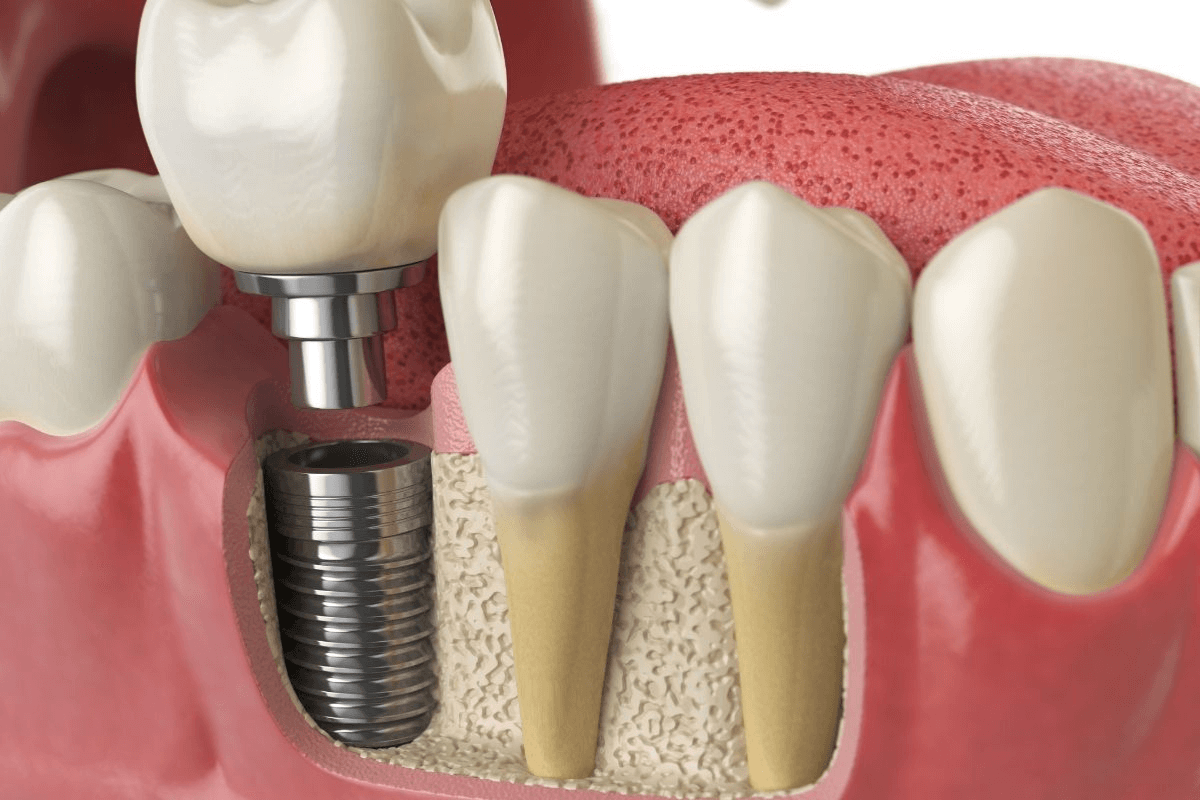
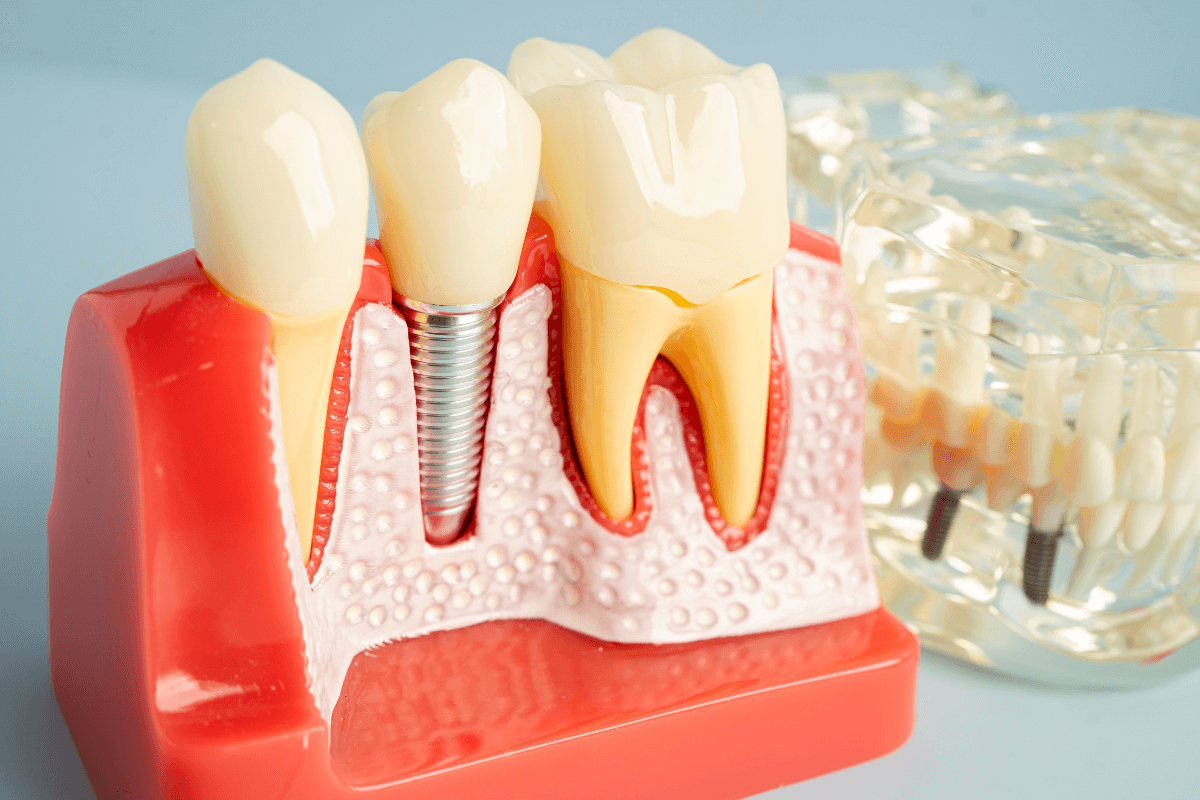
A dental implant or endosseous implant is an artificial root made of titanium that is implanted in the jawbone to support an artificial tooth or a bridge of teeth. Unlike dentures, implants can be considered a more permanent solution with a very natural look and feel. These implants are designed to function like your normal teeth.
A successful implant procedure is a carefully planned event that involves several steps, which is exactly why most implant procedures take so long to complete. The finished product is a beautiful smile that will last for many years.
Steps of the Dental Implant Process
Endosseous implants are among the most effective ways to address tooth loss and other dental problems. However, there are multiple steps involved in dental implants in Houston, TX. Below are some of the steps involved in dental implant placement:
Step 1: Initial Consultation
The first step of implant dentistry is your personal consultation with your implant dentist at Houston Heights Dentistry. In this first consultation with your dentist, they will assess your oral health and review your medical history. The dentist will also examine your jawbone to ensure that it’s strong enough to hold your implant.
X-rays or a 3D scan can be performed to provide a clearer view of bone structure and detect any problems. Also, if a patient lacks sufficient bone, a bone graft may be required to assist with implant placement. This aspect can be overcome during a consultation.
Step 2: Surgical Placement of the Implant
After your implant dentist in Houston, TX, determines whether you are an ideal candidate for implants, the next step is the implantation procedure, during which your implant will be placed in your jawbone. The procedure will be done under local anesthesia for your comfort.
During this surgery, a small incision is made in your gum tissue to expose your bone. The implant looks like a small post. During this procedure, this post is inserted into your bone. The gum is then closed with stitches as you begin your healing process.
Step 3: Healing & Osseointegration
After that, a recovery period is needed in order for your body to heal. Osseointegration is the process by which the implant fuses with the jawbone. This is followed by a recovery process lasting a few months.
During this period, you may also need to follow certain post-operative care recommendations. For instance, you may be advised to avoid hard foods and to avoid excessive force on your implant. Good oral hygiene practices are very important.
Step 4: Attaching the Abutment
Once this is achieved, with the implant fully integrated with the bone structure, the next procedure is to attach an abutment. An abutment is a small metal piece that connects the implant to the dental crown or tooth, allowing it to function effectively. This is a very minor procedure that causes minimal pain and can be performed with a local anesthetic.
At this point, the gums around the abutments are healing. This usually takes a few weeks to complete.
Step 5: Placement of the Final Crown
Once the abutment heals, the final stage of dental restoration can be implemented as a crown, bridge, or denture. The crown will be designed to match the color, size, and shape of natural teeth. Your implant dentist will carefully position the crown over the abutment. The crown is then fixed in position.
The tooth is now ready to function. You can now enjoy chewing food and also pronounce words more easily.
Maintaining Your Dental Implants
With proper care, endosseous implants can last a long time, even a lifetime in some cases. It is crucial to maintain good oral hygiene, such as brushing and flossing your teeth daily. Regular visits are also necessary to ensure your fixtures remain in good condition.
To extend their lifespan, it’s important to avoid excessive wear, such as chewing hard materials or grinding your teeth. In case you have any concerns or discomfort, it’s always important to contact your dentist.
Ready to Restore Your Smile?
Dental implants are a revolutionary alternative for people seeking a permanent, natural-looking restoration for a missing tooth. This procedure offers long-term benefits in terms of function, comfort, and beauty, making it a perfect alternative for many individuals. By following the required steps and taking proper care, your implants can last for several years, enabling you to confidently smile without limitations.
If you are ready to regain the beauty of your smile with implants, it’s essential to visit an implant dentist. Give us a call at Houston Heights Dentistry today to schedule your appointment. Our team is ready to help you learn how to improve your dental health and overall well-being.
Questions People Ask About Dental Implants
1. How long does the dental implant procedure take?
The entire dental implant process typically takes several months. This allows time for healing and for osseointegration. The surgical phase is usually completed within a few hours, with additional time for healing and the final restoration.
2. Is the dental implant procedure painful?
Most patients report minimal discomfort during the procedure because it is performed under local anesthesia. Afterward, some swelling and mild discomfort may occur, but these symptoms typically subside within a few days.
3. Are dental implants better than dentures?
Yes, dental implants offer greater stability and comfort than dentures. Implants are permanent, don’t require adhesives, and preserve the jawbone, whereas dentures may slip or cause discomfort.
4. Can I eat normally with dental implants?
Yes! Once your implants and restorations are in place, you can enjoy all your favorite foods without worry. Dental implants function just like natural teeth.
5. How long do dental implants last?
With proper care, dental implants can last a lifetime. Regular check-ups and good oral hygiene will help ensure their longevity.
New Patients & Emergency Appointments Welcome
Hear From Our Happy Patients

Dr. Kadam is the ultimate expert you want to see for all your dental needs. She took the time to understand my concerns and address my needs in one quick visit. Great bedside manner and unlike other dental offices I've visited, she didn't push any treatment I didn't need. The staff took time to explain billing and discuss my options before any treatment plan was finalized. The facility is modern, clean and provides for a welcoming environment. Highly recommended!
Payal B.

Dr. Pranita Kadam is the very first dentist I ever went to - that was over 13 years ago and I have never had a reason to change! She is a pro at what she does, has the most pleasant and consistent chairside manner, and sincerely prioritizes patient well-being over all other considerations. She is forward-thinking and her dental practice is cutting-edge!
Adriraj C.
I have known Dr. Pranita for a long time , she cares for her patients very genuinely and makes you feel very comfortable . She is highly experienced and I was very happy with the way she explained about my wisdom tooth issues and addressed my condition . I am so excited that she is in this great new location which is much closer , I would highly recommend others to her practice any day !
Kala R.
This was my initial visit to Dr Patel’s office. The front desk got me in very quickly which was good since I had cracked a filling. This was, by far, the most thorough exam that I have ever had. The hygienist was very friendly, accommodating and proficient. Dr. Patel was very kind and thorough and answered all of my questions. I felt extremely comfortable in this office and got top notch care. A great experience.
Susan K.
I have a difficult mouth and a difficult schedule. Dr. Patel is professional, kind and accomodating. She has a high level of skill that has me in a much improved state of dental health than when I started. Both my pain and appearance are greatly improved.
Greg
I loved my initial visit and my follow up was even better :) Being in the office is like being at the spa! I am nervous about the dentist and Dr Patel and her staff have helped me with this. I have refered my co-workers and friends already.
Antoinette M.
I received a deep cleaning from Miss Melinda and was treated to the best service around. She was very educational and helped me understand everything she was doing all the way down to describing each tool she was using. 1 day later and my mouth is feeling solid. Christopher Sanchez
Chris S.
The dental exam was the most thorough I have ever experienced. After suffering from pain on the left side of my face for over one year, Dr Patel was able to determine the cause and worked quickly to create a splint which immediately helped to decrease the pain. Her staff is courteous and professional. I have already recommended her to my friends.
Maria B.
Love Dr. Patel and her staff! I was being treated a few years ago by another dentist and they kept telling me I had nothing wrong. Dr. Patel found a potentially dangerous abscess and took care of it. She also called me several times over the weekend to check on me! That tells me she cares about her patients.
Sabrina S.
If you are looking for high quality, up-to-date dental care then come see Dr. Neela Patel.
Dr. Patel takes the time to explain your dental needs in a way that is easy to understand and in turn helps you to make the most educated decisions about your dental care. Her office is warm and welcoming, she is smart and her staff is patient-centered. I highly recommend her practice.
Phil W.


