


Is Professional Teeth Whitening Safe for Your Enamel and Gums?
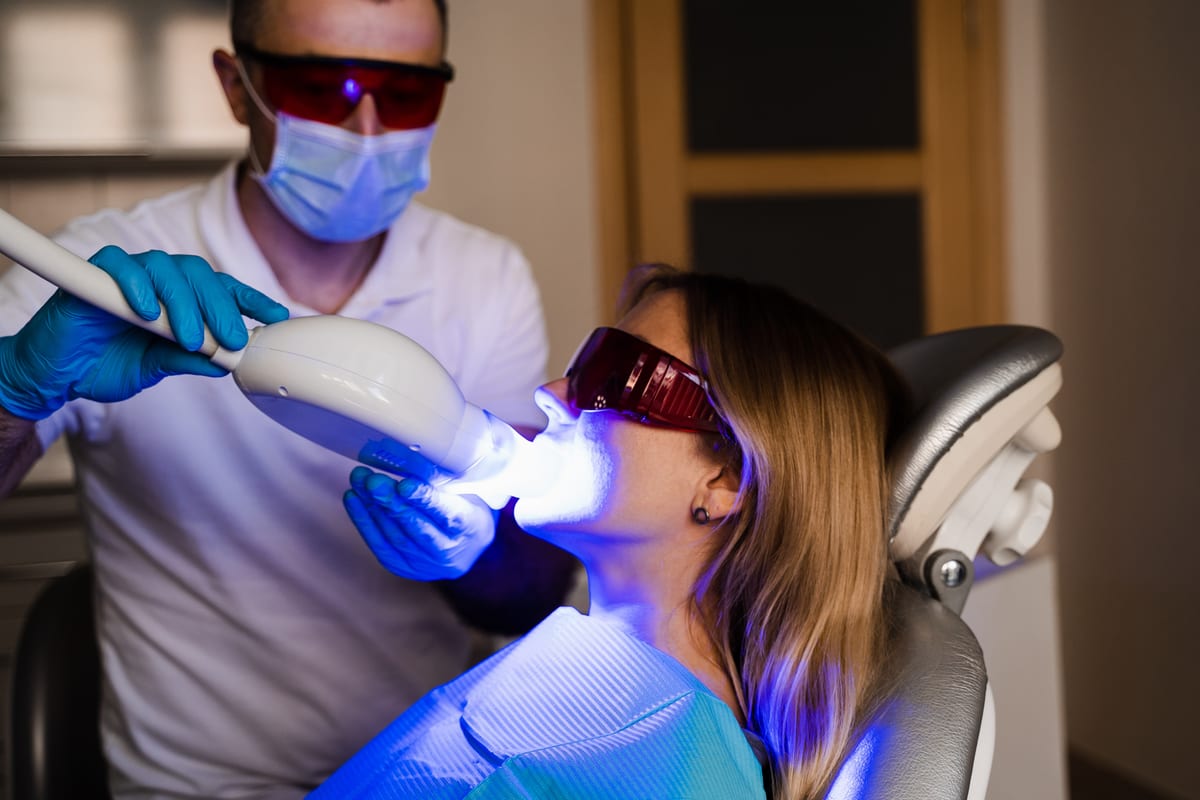
Many Houston patients ask the same important question: Is professional teeth whitening safe for your enamel and gums? It is a fair concern, especially with so many whitening products available today. At Houston Heights Dentistry, Dr. Pranita Kadam wants every patient to feel informed before choosing any treatment. This article breaks down the facts clearly so you can make a confident, educated decision.
How Professional Teeth Whitening Works in Houston
Professional whitening uses a peroxide-based gel applied directly to the teeth. The active ingredient — usually hydrogen peroxide or carbamide peroxide — penetrates the enamel surface. It breaks apart stain molecules trapped inside the tooth structure. This process brightens the tooth color without physically scraping or removing enamel.
In-office treatments at a dental practice use higher concentrations of whitening gel. These are applied carefully with protective measures in place. Over-the-counter products use lower concentrations but lack the professional oversight that keeps the process controlled. The difference in safety largely comes down to supervision and application technique.
Is Professional Teeth Whitening Safe for Your Enamel? Houston Patients Should Know the Facts
Research consistently shows that professional whitening does not permanently damage healthy enamel. Studies published in peer-reviewed dental journals support this finding. When used correctly and within recommended time limits, peroxide gels do not erode enamel structure. The key phrase here is used correctly.
Overuse or misuse of whitening products is where problems arise. Using whitening treatments too frequently can temporarily dehydrate enamel. This may cause increased sensitivity for a short period. However, this effect is reversible and typically resolves within a few days after treatment ends.
Dr. Kadam recommends whitening only under professional guidance for this reason. Dentist-supervised treatments include custom trays and calibrated gel strengths. These factors significantly reduce the risk of enamel stress. Patients in Houston can feel reassured that controlled professional whitening is one of the safest cosmetic procedures available.
Gum Sensitivity and Soft Tissue Safety During Whitening
Gum irritation is the most common side effect of teeth whitening. It usually occurs when the whitening gel contacts gum tissue directly. In a professional setting, your dentist applies protective barriers to shield the gums. This dramatically reduces the chance of irritation or chemical burns.
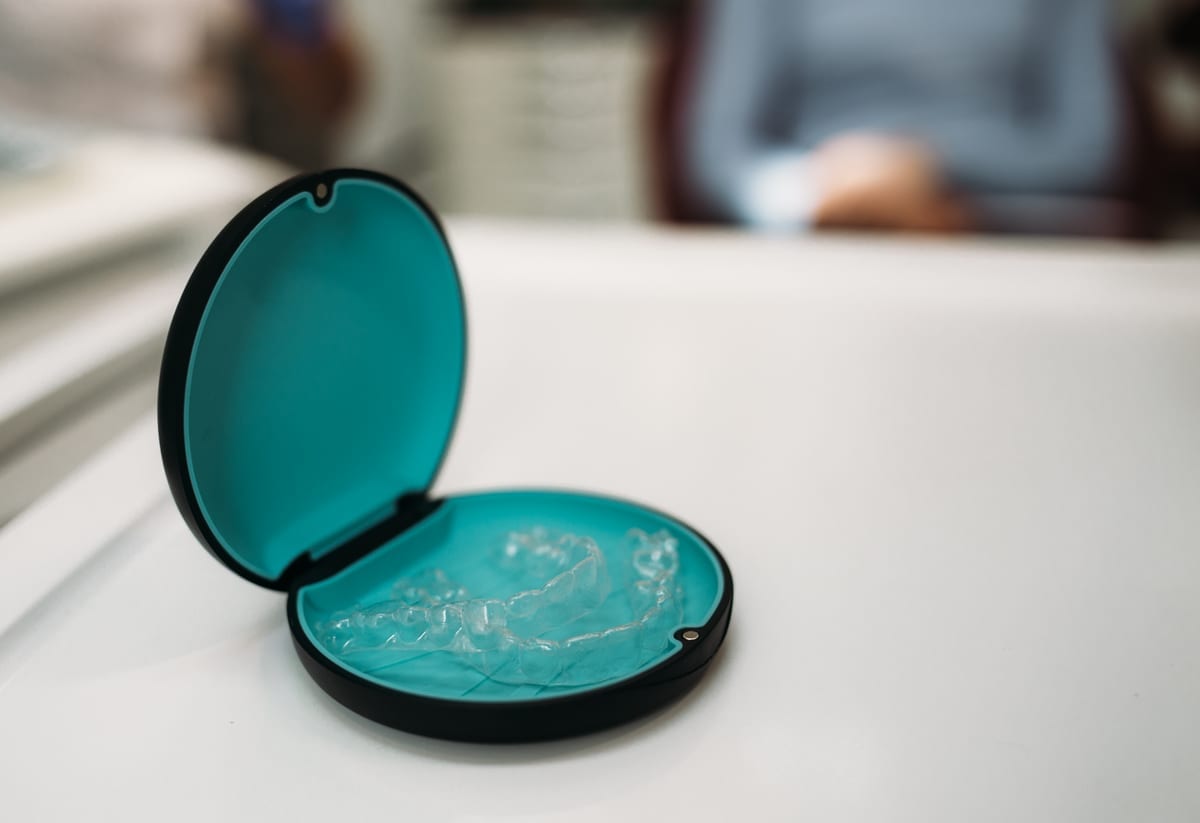
At-home whitening trays provided by dentists are custom-fitted to your teeth. A proper fit means the gel stays on the teeth and away from the gums. Generic store-bought trays often do not fit correctly. Poorly fitting trays allow gel to seep onto gum tissue, causing inflammation and discomfort.
Here is what professional whitening includes to protect your gums:
- Custom-fitted trays molded to your specific bite
- Protective gum barriers applied before gel placement
- Calibrated gel concentration appropriate for your sensitivity level
- Professional monitoring throughout the whitening process
- Post-treatment sensitivity guidance from your dental team
If your gums are already inflamed or you have untreated gum disease, whitening should be postponed. Treating gum health first will produce safer and more effective whitening results. Our team at Houston Heights Dentistry will assess your gum health before recommending any whitening treatment.
Which Patients Should Avoid or Delay Teeth Whitening?
Professional whitening is safe for most healthy adults. However, certain situations call for caution or a delay in treatment. Dr. Kadam recommends a thorough dental evaluation before proceeding with whitening for any patient. This helps identify potential concerns early.
The following patients should speak with their dentist before whitening:
- Patients with active tooth decay or untreated cavities
- Individuals with gum disease or significant gum recession
- People with highly sensitive teeth or exposed dentin
- Patients who have dental crowns, veneers, or bonding on front teeth
- Pregnant or breastfeeding women
- Children and teenagers whose enamel is still developing
It is important to note that whitening gel does not change the color of dental restorations. If you have Dental Crowns Houston on visible front teeth, whitening the surrounding teeth could create a color mismatch. Your dentist will evaluate this before recommending a treatment plan. The same consideration applies to veneers and bonded restorations.
Patients who have had recent gum surgery or tooth extractions should wait for full healing. If you have previously had Dental Implants Houston, note that implant crowns will not respond to whitening gel. A dentist can help you plan whitening around existing restorations for the most uniform result.
Tips for Maintaining Your Results and Protecting Enamel After Whitening
After professional whitening, a few simple habits keep your results lasting longer. They also protect your enamel during the post-treatment recovery period. Your teeth are most porous immediately after whitening. Certain foods and drinks can stain them more easily in the first 48 hours.
Here are practical post-whitening care tips:
- Avoid dark-colored beverages like coffee, tea, and red wine for 48 hours
- Use a soft-bristled toothbrush and fluoride toothpaste daily
- Rinse with water after consuming acidic foods or drinks
- Use a sensitivity toothpaste if you experience any post-treatment discomfort
- Schedule regular professional cleanings to maintain your smile
Touch-up treatments may be recommended every six to twelve months. This timeline varies based on your diet, lifestyle habits, and how quickly your teeth re-stain. Dr. Kadam will provide personalized guidance based on your individual results. Consistent oral hygiene remains the most important factor in preserving your whitened smile.
Why Choose Professional Whitening Over Store-Bought Products?
Store-bought whitening strips and kits are widely available. However, they come with limitations that affect both safety and effectiveness. The peroxide concentrations in over-the-counter products are lower and less consistent. Results are often uneven and slower to appear.
Professional whitening at Houston Heights Dentistry offers distinct advantages. The treatment is customized to your teeth and sensitivity level. Dr. Kadam oversees every step of the process. This means any early signs of sensitivity or gum irritation can be addressed immediately.
The professional process also starts with a cleaning to remove surface buildup. This allows the whitening gel to work more evenly across all teeth. The outcome is a noticeably brighter smile achieved safely and efficiently. For Houston patients who want real, lasting results, professional whitening is the smarter choice.
Conclusion: Safe Whitening Starts With the Right Professional
The answer to whether professional teeth whitening is safe for your enamel and gums is yes — when performed correctly. The key is having a qualified dentist evaluate your oral health first. Dr. Pranita Kadam and the team at Houston Heights Dentistry take every precaution to protect your teeth and gums throughout the process. Book Now to schedule your appointment with our team.
Frequently Asked Questions
Does professional teeth whitening damage enamel permanently?
No, professional teeth whitening does not permanently damage healthy enamel. Research shows that peroxide-based whitening gels, when used correctly, do not erode enamel structure. Temporary sensitivity or dehydration may occur but resolves within a few days. Always follow your dentist’s instructions for safe use.
How long does tooth sensitivity last after professional whitening?
Sensitivity after professional whitening typically lasts between 24 and 72 hours. The level of sensitivity varies by individual. Using a sensitivity toothpaste before and after treatment can help manage discomfort. If sensitivity persists beyond a few days, contact your dentist for guidance.
Can I whiten my teeth if I have dental crowns or veneers?
Whitening gel does not change the color of dental crowns, veneers, or bonded restorations. If you have visible restorations on your front teeth, whitening may create a color mismatch. Dr. Kadam will evaluate your restorations and recommend the best approach. A full smile assessment is always recommended before beginning any whitening treatment.
How often can I safely whiten my teeth professionally?
Most patients can safely undergo professional whitening once or twice per year. Maintenance touch-ups may be recommended every six to twelve months depending on lifestyle factors. Overusing whitening products increases the risk of sensitivity and enamel stress. Your dentist will recommend a schedule based on your individual oral health.
Is professional whitening safe during pregnancy?
Teeth whitening is generally not recommended during pregnancy or while breastfeeding. This is a precautionary recommendation due to limited research on whitening gel exposure during these periods. It is best to postpone elective cosmetic dental treatments until after pregnancy. Speak with Dr. Kadam about safe options for maintaining your smile during this time.


New Patients & Emergency Appointments Welcome
Hear From Our Happy Patients

Dr. Kadam is the ultimate expert you want to see for all your dental needs. She took the time to understand my concerns and address my needs in one quick visit. Great bedside manner and unlike other dental offices I've visited, she didn't push any treatment I didn't need. The staff took time to explain billing and discuss my options before any treatment plan was finalized. The facility is modern, clean and provides for a welcoming environment. Highly recommended!
Payal B.

Dr. Pranita Kadam is the very first dentist I ever went to - that was over 13 years ago and I have never had a reason to change! She is a pro at what she does, has the most pleasant and consistent chairside manner, and sincerely prioritizes patient well-being over all other considerations. She is forward-thinking and her dental practice is cutting-edge!
Adriraj C.
I have known Dr. Pranita for a long time , she cares for her patients very genuinely and makes you feel very comfortable . She is highly experienced and I was very happy with the way she explained about my wisdom tooth issues and addressed my condition . I am so excited that she is in this great new location which is much closer , I would highly recommend others to her practice any day !
Kala R.
This was my initial visit to Dr Patel’s office. The front desk got me in very quickly which was good since I had cracked a filling. This was, by far, the most thorough exam that I have ever had. The hygienist was very friendly, accommodating and proficient. Dr. Patel was very kind and thorough and answered all of my questions. I felt extremely comfortable in this office and got top notch care. A great experience.
Susan K.
I have a difficult mouth and a difficult schedule. Dr. Patel is professional, kind and accomodating. She has a high level of skill that has me in a much improved state of dental health than when I started. Both my pain and appearance are greatly improved.
Greg
I loved my initial visit and my follow up was even better :) Being in the office is like being at the spa! I am nervous about the dentist and Dr Patel and her staff have helped me with this. I have refered my co-workers and friends already.
Antoinette M.
I received a deep cleaning from Miss Melinda and was treated to the best service around. She was very educational and helped me understand everything she was doing all the way down to describing each tool she was using. 1 day later and my mouth is feeling solid. Christopher Sanchez
Chris S.
The dental exam was the most thorough I have ever experienced. After suffering from pain on the left side of my face for over one year, Dr Patel was able to determine the cause and worked quickly to create a splint which immediately helped to decrease the pain. Her staff is courteous and professional. I have already recommended her to my friends.
Maria B.
Love Dr. Patel and her staff! I was being treated a few years ago by another dentist and they kept telling me I had nothing wrong. Dr. Patel found a potentially dangerous abscess and took care of it. She also called me several times over the weekend to check on me! That tells me she cares about her patients.
Sabrina S.
If you are looking for high quality, up-to-date dental care then come see Dr. Neela Patel.
Dr. Patel takes the time to explain your dental needs in a way that is easy to understand and in turn helps you to make the most educated decisions about your dental care. Her office is warm and welcoming, she is smart and her staff is patient-centered. I highly recommend her practice.
Phil W.


