


What Happens After Dental Implants? A Complete Healing & Recovery Guide
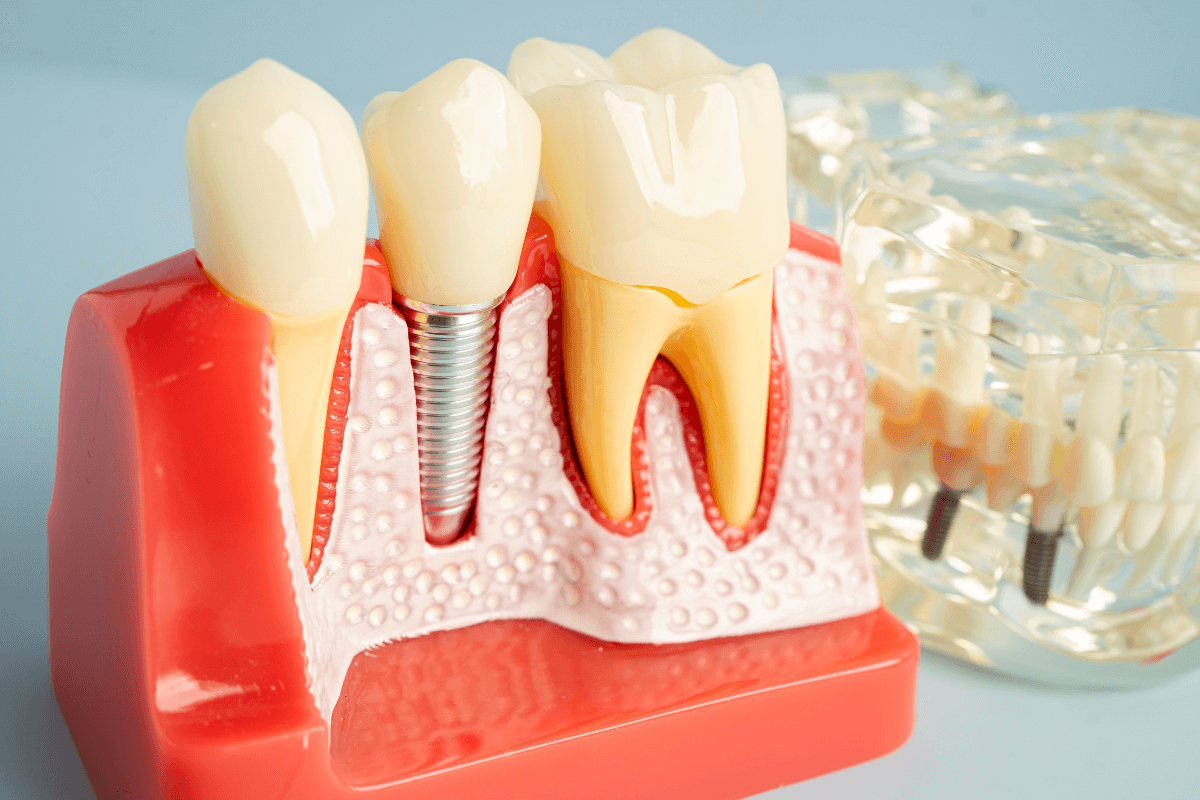
Dental implants are widely used to replace missing teeth and can be a long-lasting, aesthetically pleasing procedure when performed correctly. However, after going through the process, the first question that arises in the patient’s mind is about the healing process.
With the following guide, we aim to explain the healing process the patient needs to undergo and the precautions they can take to ensure proper healing of the implants and the longevity and success of the procedure.
The recovery journey toward complete healing of your implant begins immediately after the procedure. It should be noted that every patient heals differently after implant surgery, depending on factors such as the type of implant, the patient’s health, and how well they care for themselves after surgery. It can also help you understand what to expect after the surgery.
The Initial Healing Phase: What to Expect Right After the Procedure
Immediately after your dental implant surgery, you may observe swelling and pain. These are normal reactions to the surgery and should go away in several days. Your implant dentist in Houston, TX, can guide you on pain management and can also dispense medication for any pain you may feel. Applying ice packs to the area can also help reduce swelling during the first 24 to 48 hours.
- For the first week after dental implants in Houston, TX, you should rest and avoid strenuous activity that could affect your healing.
- You may also be recommended a soft food diet in order to avoid pressing your implant site.
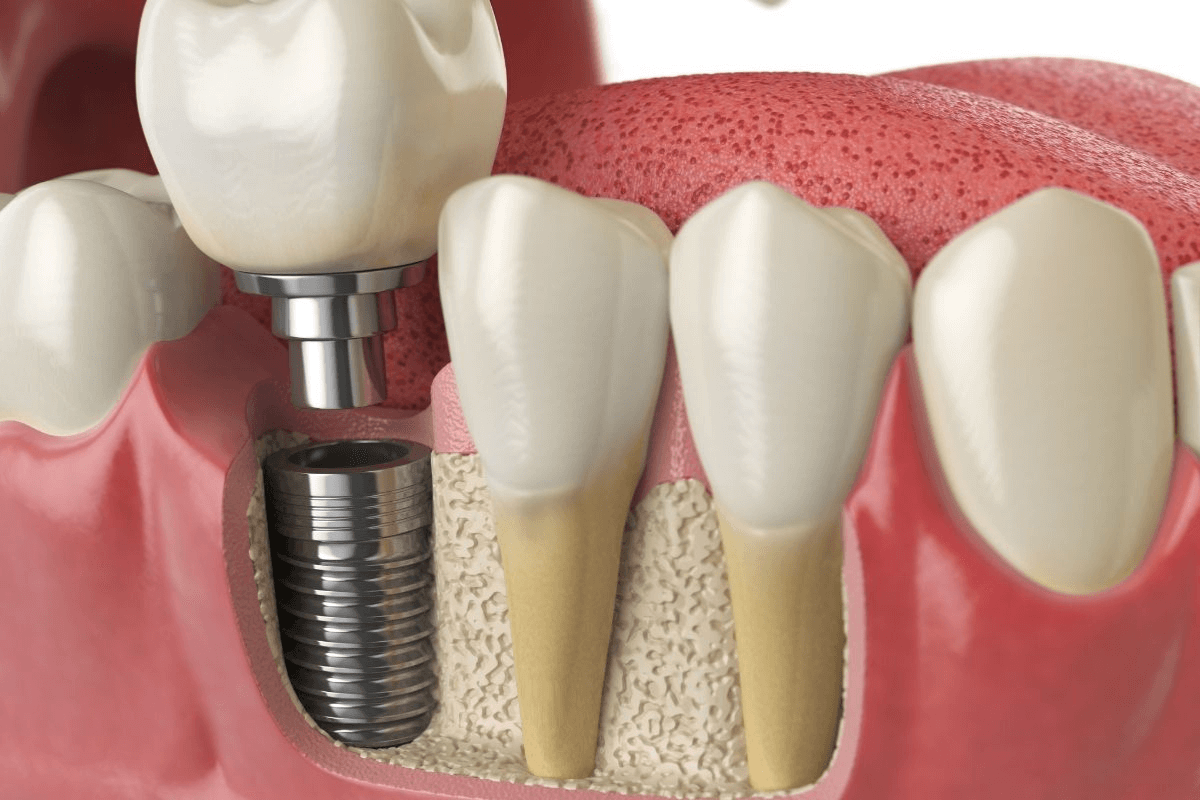
- The bone surrounding your implant will begin to integrate during this stage, a process called osseointegration.
- This healing process is essential for your implant to be firmly embedded in your jawbone.
The Role of Osseointegration in Long-Term Success
The osseointegration process, during which your jawbone integrates with the implant, may take several months. This is the time during which your body is actively integrating the dental implant with your jawbone. This may take 3 to 6 months. Meanwhile, your dentist may have installed a temporary crown or bridge while the endosseous implant integrates with your jawbone, so you can eat and speak normally.
It is essential that you take all the precautions and follow your dentist’s advice during this time. If you avoid hard and sticky foods and practice good oral hygiene, you can maintain your implant site and reduce your risk of infection.
What Happens After Osseointegration?
After osseointegration, your implant will be ready to support a fixed crown, bridge, or denture. At this stage, your dentist will attach an abutment (a small connector component) to the top of your implant. This is where your final restoration will be supported.
The process of abutment placement is generally an easy process, and sometimes a check-up is needed in order for your dentist to verify the healing process of your implant placement area after the abutment placement procedure. Soreness and swelling can occur after abutment placement, but it doesn’t last long.
Tips for a Smooth Recovery and Faster Healing
Listed below are some tips that can help ensure a smooth recovery from your implants:
Follow the dentist’s instructions after surgery: These are designed specifically for you and will ensure a rapid recovery.
- Soft Diet: In the beginning, eat soft foods to avoid exerting pressure on the implant.
- Elevate Your Head: Sleep with your head slightly elevated to prevent swelling.
- Practice Oral Hygiene: Your mouth should be cleaned properly, though the area containing the implant should not be troubled for the first few days.
- Avoid Smoking and Alcohol: Both of these substances can slow healing as well as raise the possibility of complications.
By following these instructions and making regular visits to the dentist a practice, you can avoid issues with your fixtures.
Maintaining Your Dental Implants for Long-Term Good Health
After your implants are fully restored, you must take good care of them to keep them lasting for many years. Like your natural teeth, your implants must be well-maintained to stay in good condition. Here are some useful tips to help you take good care of your implants:
- Brush and Floss Regularly: Brush your teeth regularly, at least twice a day. Floss your teeth daily to remove any plaque, which could affect your implants.
- Utilize Antimicrobial Mouthwash: Utilization of an antimicrobial mouthwash can help kill bacteria. This helps in reducing infection in the implant area.
- Visit Your Dentist Regularly: Your dentist can check that your implants are in good condition and prevent problems.
- Avoid Smoking and Tobacco: Smoking can be a risk factor for implant failure as it can impede the healing process and lead to infection.
- Staying Hydrated: A humid, warm climate, such as Houston’s, requires staying hydrated for optimal health.
- Protect Against Trauma: Avoid activities that could harm your fixture, such as contact sports. Additionally, you should always wear a mouthguard.
Taking Care of Your Implants for a Lifetime of Healthy Smiles
Recovery after endosseous implants is a worthwhile investment for your future health and well-being. By taking the time to familiarize yourself with what you can expect regarding healing, you can guarantee that recovery will go smoothly and relatively issue-free.
If you are looking for dental implants in Houston, TX, and are curious about the healing process, do not hesitate to contact us at Houston Heights Dentistry today. Our goal is to walk you through the entire process and get them started on the road to a beautiful smile. Schedule your appointment with us and take the first step towards having the confidence of a brand-new smile.
Questions People Ask About Dental Implant Recovery
1. How long does it take for dental implants to heal?
Healing from dental implants typically takes 3-6 months as the implant fuses with the bone. The final restoration is placed once osseointegration is complete.
2. Can I eat normally after dental implants?
You’ll need to stick to a soft food diet for the first few days after surgery. Once your implant heals, you can eat normally, but avoid hard or sticky foods that could damage your implant.
3. Is it normal to feel pain after the dental implant procedure?
Mild pain, swelling, and bruising are common in the first few days after the procedure. Your dentist will provide pain management instructions to help ease any discomfort.
4. Can I smoke after getting dental implants?
It’s best to avoid smoking during the healing period as it can slow down recovery and increase the risk of complications.
5. How do I care for my dental implants?
Maintain good oral hygiene by brushing and flossing daily. Regular checkups with your dentist are also important to ensure the long-term health of your implants.
New Patients & Emergency Appointments Welcome
Hear From Our Happy Patients

Dr. Kadam is the ultimate expert you want to see for all your dental needs. She took the time to understand my concerns and address my needs in one quick visit. Great bedside manner and unlike other dental offices I've visited, she didn't push any treatment I didn't need. The staff took time to explain billing and discuss my options before any treatment plan was finalized. The facility is modern, clean and provides for a welcoming environment. Highly recommended!
Payal B.

Dr. Pranita Kadam is the very first dentist I ever went to - that was over 13 years ago and I have never had a reason to change! She is a pro at what she does, has the most pleasant and consistent chairside manner, and sincerely prioritizes patient well-being over all other considerations. She is forward-thinking and her dental practice is cutting-edge!
Adriraj C.
I have known Dr. Pranita for a long time , she cares for her patients very genuinely and makes you feel very comfortable . She is highly experienced and I was very happy with the way she explained about my wisdom tooth issues and addressed my condition . I am so excited that she is in this great new location which is much closer , I would highly recommend others to her practice any day !
Kala R.
This was my initial visit to Dr Patel’s office. The front desk got me in very quickly which was good since I had cracked a filling. This was, by far, the most thorough exam that I have ever had. The hygienist was very friendly, accommodating and proficient. Dr. Patel was very kind and thorough and answered all of my questions. I felt extremely comfortable in this office and got top notch care. A great experience.
Susan K.
I have a difficult mouth and a difficult schedule. Dr. Patel is professional, kind and accomodating. She has a high level of skill that has me in a much improved state of dental health than when I started. Both my pain and appearance are greatly improved.
Greg
I loved my initial visit and my follow up was even better :) Being in the office is like being at the spa! I am nervous about the dentist and Dr Patel and her staff have helped me with this. I have refered my co-workers and friends already.
Antoinette M.
I received a deep cleaning from Miss Melinda and was treated to the best service around. She was very educational and helped me understand everything she was doing all the way down to describing each tool she was using. 1 day later and my mouth is feeling solid. Christopher Sanchez
Chris S.
The dental exam was the most thorough I have ever experienced. After suffering from pain on the left side of my face for over one year, Dr Patel was able to determine the cause and worked quickly to create a splint which immediately helped to decrease the pain. Her staff is courteous and professional. I have already recommended her to my friends.
Maria B.
Love Dr. Patel and her staff! I was being treated a few years ago by another dentist and they kept telling me I had nothing wrong. Dr. Patel found a potentially dangerous abscess and took care of it. She also called me several times over the weekend to check on me! That tells me she cares about her patients.
Sabrina S.
If you are looking for high quality, up-to-date dental care then come see Dr. Neela Patel.
Dr. Patel takes the time to explain your dental needs in a way that is easy to understand and in turn helps you to make the most educated decisions about your dental care. Her office is warm and welcoming, she is smart and her staff is patient-centered. I highly recommend her practice.
Phil W.


